January 5th: Today's Feature - Christian Frederick Cole, Barrister
- Jan 5
- 5 min read
January 5th
Christian Frederick Cole (1852 – 1885), also known as "Old King Cole" among his close friends, is a remarkable individual whose accomplishments are deeply rooted in the prestigious academic institutions of the United Kingdom. In an era where opportunities were scarce, especially for individuals of West African descent, Cole's achievements stand as a testament to his exceptional abilities and unwavering determination. Graduating from Oxford University, a renowned institution that predominantly catered to young white males during the Victorian period, was an extraordinary feat for someone like Cole. His success not only shattered societal norms but also paved the way for greater diversity and inclusivity in higher education.
Born in Waterloo, Sierra Leone, in 1852, Cole's journey towards academic excellence began at Fourah Bay College. It was here that his parents, Jacob and May Cole, managed to secure a scholarship for their son, recognising his immense potential. Encouraged by his mentors and inspired by the Reverend Edward Jones, Cole took a bold step and applied to Oxford University. The audacity of his decision was matched only by his exceptional performance in the rigorous entrance examinations, which encompassed subjects such as Greek, Latin, arithmetic, and algebra. Through his unwavering dedication and intellectual prowess, Cole earned his rightful place at the prestigious university.

Overcoming Challenges: Cole’s admission to Oxford University not only marked a personal triumph but also served as a powerful symbol of progress and inclusivity. While he was not the first African-American to graduate from Oxford, his presence in the first cohort of individuals from diverse backgrounds highlighted the importance of making education accessible to people of different races. Cole's journey serves as an inspiration to countless individuals, proving that with determination, resilience, and equal opportunities, one can overcome societal barriers and achieve greatness. His story is a reminder that diversity and inclusion are not only morally imperative but also crucial for fostering innovation, understanding, and progress in academic institutions and society as a whole.
Consider the immense challenges that Cole had to overcome when he arrived in England in 1873. As a black man, his mere presence at a university would have shattered the prevailing Victorian ideology of the time. This was an era when British colonialism was at its peak, and the belief that black individuals were intellectually inferior to their white counterparts was deeply ingrained in society.

However, Cole defied these discriminatory notions by not only enrolling at one of the most prestigious universities in the UK but also pursuing one of the most demanding degrees available, classical moderations. In doing so, he not only became the first black African to study at the university but also unequivocally exposed the fallacy of the prevailing ideology that had permeated British culture. His remarkable journey serves as a testament to the power of determination and the ability to challenge societal norms.
Intelligent & Inquisitive: Christian Frederick Cole was a man who possessed an undeniable aura of curiosity that captivated the attention of those around him. With his distinguished appearance and gentleman-like demeanour, he effortlessly drew people towards him, eager to uncover the depths of his intellect and knowledge.
Cole's Intelligence was evident in his active participation in the debating club, where he showcased his eloquence and persuasive skills. His passion for mission work in Sierra Leone led him to deliver compelling speeches in parish churches and union workhouses, spreading awareness and garnering support for his cause.

Not only was Cole academically accomplished, but his exceptional essays caught the attention of Benjamin Jowett, a renowned translator and the university's vice-chancellor. Jowett commended Cole's work, further solidifying his reputation as a brilliant mind within the academic community.
However, despite his academic success, Cole found himself burdened with a significant debt of £200 upon graduation. In his time of financial hardship, he turned to George Granville Bradley, the master of the University College, for assistance. Recognising Cole's exceptional qualities, Bradley appealed to the Oxford community, emphasising the deserving nature of Cole's situation and the need for their support.
Despite the efforts of his friends to help him remain in London, Cole was ultimately compelled to return home due to his financial constraints. It was not until 1879 that he was able to make his way back to the UK, thanks to the generous contributions of his friends in Sierra Leone. This newfound financial stability allowed Cole to pursue a career in law, enabling him to utilise his intellect and passion for justice.

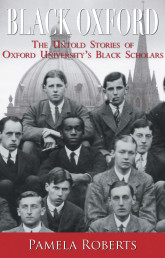


Cole's Career in Law was groundbreaking, as he became the first black African man to join the prestigious Honourable Society of the Inner Temple in London. Despite this achievement, he faced challenges in securing chambers in Britain, possibly due to the prevailing fear and judgment towards the "other" during the Victorian era. The class system and racial biases may have hindered his progress, highlighting the inequality that existed at the time. However, it is crucial to recognise how far we have come in terms of equality, where success in law is now determined by the strength of one's cases rather than the colour of one's skin. Nonetheless, there is still work to be done to achieve true equality in the legal industry and society as a whole.
Britain's influence on Cole's personal transformation cannot be denied. Despite being described as an intellectual with the admiration of his peers, Cole was still labeled as a "gentleman of colour - of the darkest tint" in a document from 1883. However, it is noteworthy that his fellow barristers treated him with the expected courtesy of English gentlemen. Cole's eloquent plea for mercy to Sir Thomas Chambers, the learned recorder, showcased his exceptional command of language, refined taste, and intellectual prowess. This account reveals the deep-seated racism prevalent in Victorian Britain, yet it also highlights the respect Cole commanded within the legal community.

Cole's journey to fit into British Society was seen by some as a necessity for his legal career, but he never let go of his African roots. He actively engaged in pan-Africanism and fought against criticism of Africans in Britain. Through his poetry and political pamphlets, he made his voice heard and raised important issues of race, politics, and discrimination. Despite the pressure and public judgment, Cole remained a strong role model, always speaking his mind with wit and eloquence.


Christian Frederick Cole's significance in UK history cannot be overstated. As the first Black barrister in the country, he shattered racial barriers and serves as a powerful symbol of progress. While the UK has made strides in dismantling racial discrimination since the 1800s, Cole's untimely death at the age of 33 from Smallpox leaves us wondering about the potential he could have achieved with more opportunities. Today, we must consider the obstacles faced by young black lawyers and barristers, particularly those stemming from socio-economic circumstances. By providing equal opportunities and support, we can pave the way for more BAME figures in the legal system and advance the cause of equality.
J P Webb