January 6th: Today's Feature - Henrietta Lacks, Commemorative Statue
- Jan 6
- 4 min read
January
A statue commemorating Henrietta Lacks, a black woman, known as the 'mother' of modern medicine, was unveiled at the University of Bristol, recognising her immense contributions to the field.
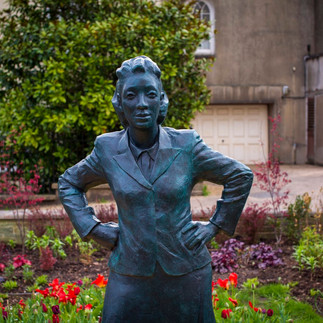
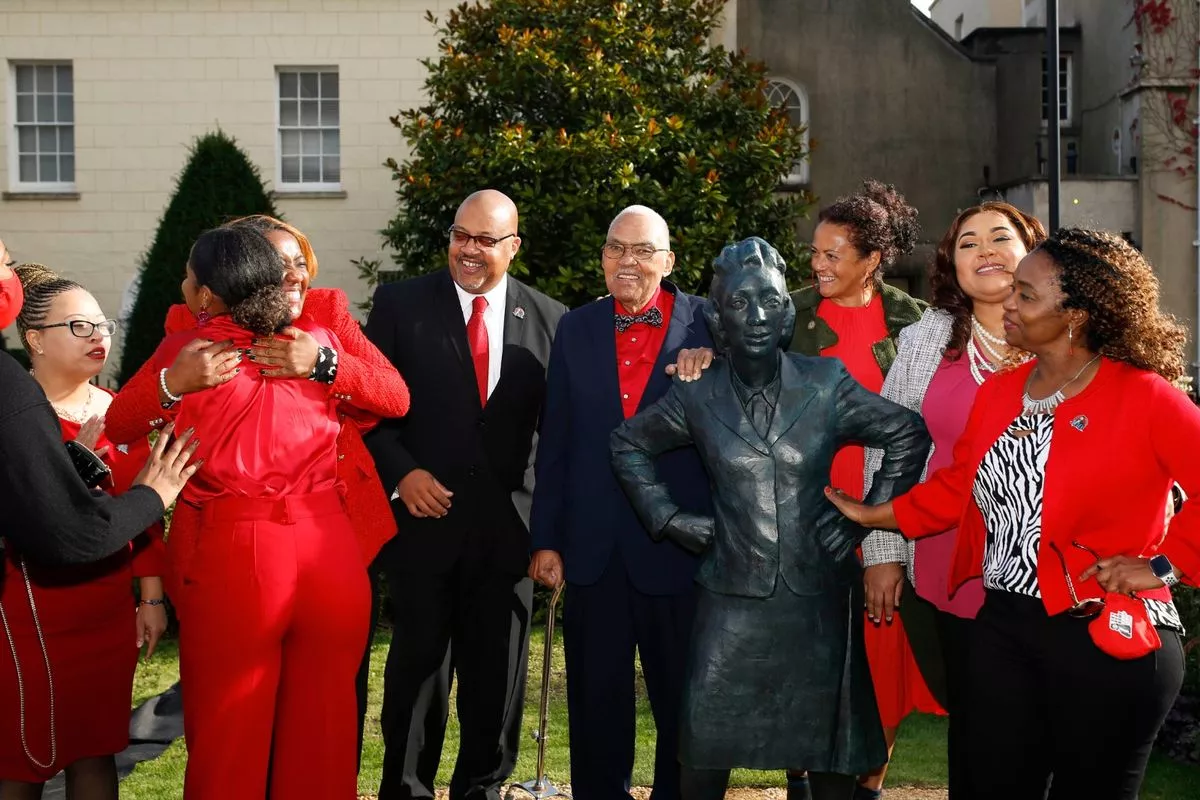
On the afternoon of 4th October 2021, the University of Bristol revealed a life-size bronze statue honouring Henrietta Lacks, an influential Black American woman whose cancer cells revolutionised the field of medicine.
Created by Bristol artist Helen Wilson-Roe, the statue pays tribute to Lacks, whose remarkable cells played a pivotal role in numerous groundbreaking medical advancements. These include the development of the polio vaccine, chemotherapy, gene-mapping, IVF, cloning, and most recently, research related to Covid-19.
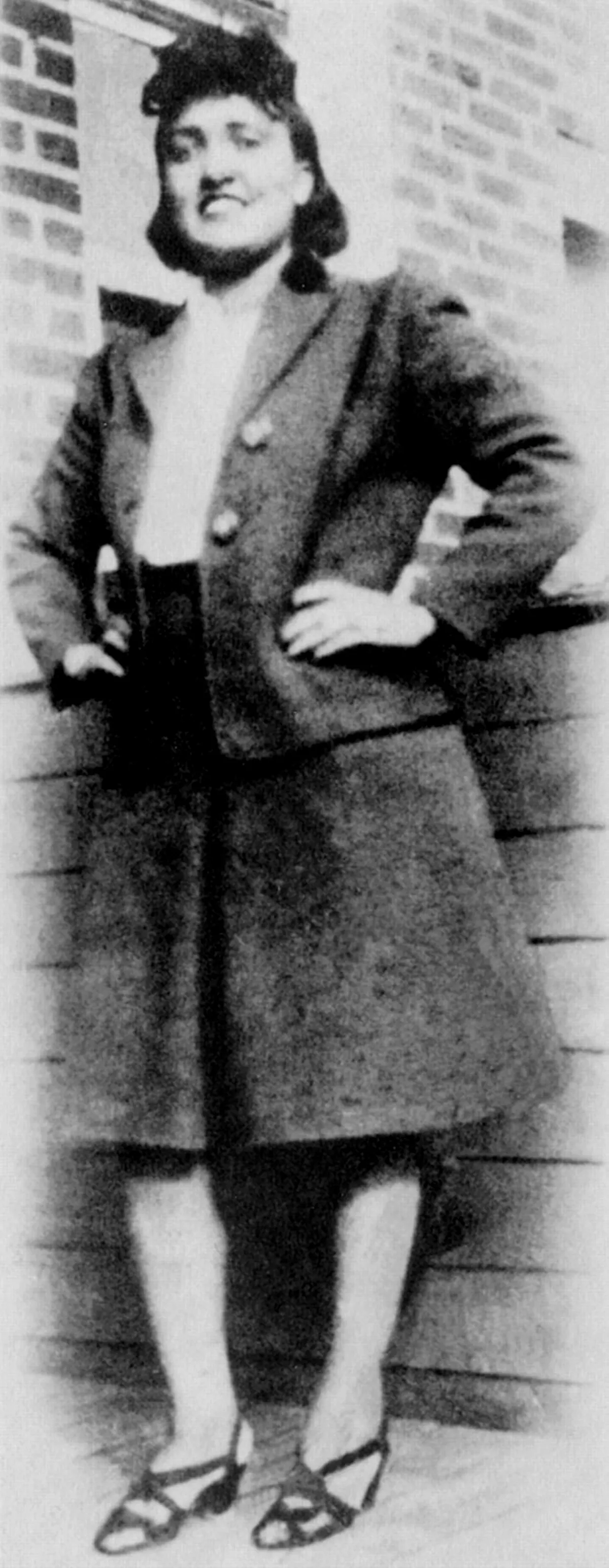


Known as HeLa cells, they were named after the first two letters of Henrietta's first and last names. Henrietta Lacks, a young wife and mother, tragically passed away in 1951 due to an aggressive form of cervical cancer.
During her surgery, a sample of her cells was taken without her or her family's knowledge or consent. These cells were later discovered to be the first living human cells capable of surviving and multiplying outside the human body. It wasn't until 1975 that the family stumbled upon the knowledge of Henrietta's extraordinary legacy.
The unveiling of the statue in Bristol marks a momentous occasion, as it pays tribute to the 70th anniversary of Henrietta Lacks' passing. This statue holds an even deeper significance, as it stands as the first public sculpture of a black woman created by a black woman in the entire United Kingdom. The University took the initiative to commission this remarkable statue, which now stands proudly in the heart of the campus precinct, near the iconic Royal Fort House.





During the unveiling ceremony, the presence of Henrietta Lacks' loved ones will add a profound emotional touch to the event. Lawrence Lacks, her son, along with her grandson Alan Wilks and his wife Pam, her granddaughter Jeri Lacks-Whye, and her great-granddaughters Victoria Baptiste and Veronica Robinson will all be in attendance. Jeri Lacks-Whye, Henrietta Lacks' granddaughter, passionately expressed that this commemoration not only recognises the immense impact of Henrietta Lacks' HeLa cells on the world but also serves as a poignant reminder of her untimely departure.
The Lacks Family is deeply honoured to collaborate with the University of Bristol and Helen Wilson Roe to kickstart their HELA100 worldwide tour with the unveiling of this historic statue.
This statue will serve as an invaluable educational tool for future generations, shedding light on Henrietta Lacks' extraordinary legacy and emphasising the crucial importance of promoting health equity and social justice for all. It will stand as a symbol of inspiration, reminding us of the remarkable contributions made by Henrietta Lacks and the ongoing need to strive for a more equitable and just society.


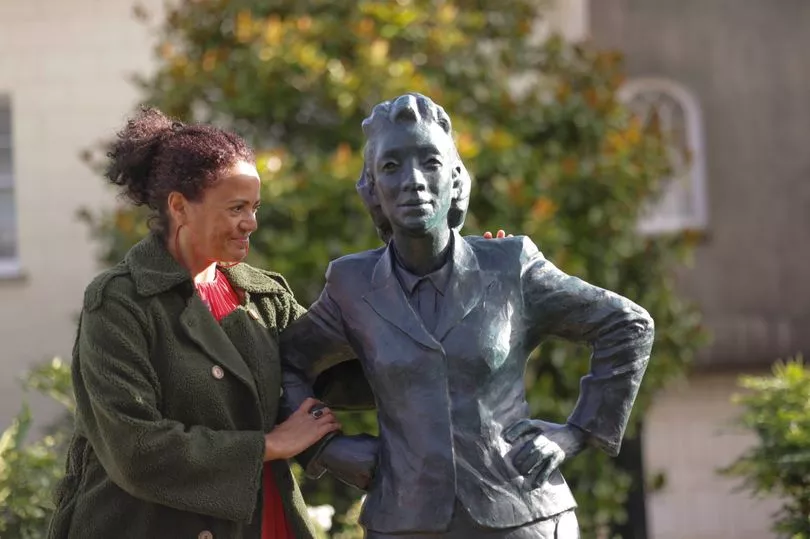
Bristol artist Helen Wilson-Roe is making history with her groundbreaking project of being a black woman creating the first public statue of a Black woman in the UK. This statue, dedicated to the remarkable Henrietta Lacks, will be a permanent fixture on the University of Bristol campus. The significance of this achievement cannot be overstated, as it represents a powerful symbol of representation and inclusivity.
Growing up in Bristol, Wilson-Roe noticed the absence of statues depicting Black women, leaving her with a sense of disconnect and a lack of role models to identify with. By creating Henrietta's statue, she is not only providing a figure that future generations can look up to, but also addressing the city's historical shortcomings. Bristol is now taking steps to confront its past, and this statue serves as a testament to the progress being made.

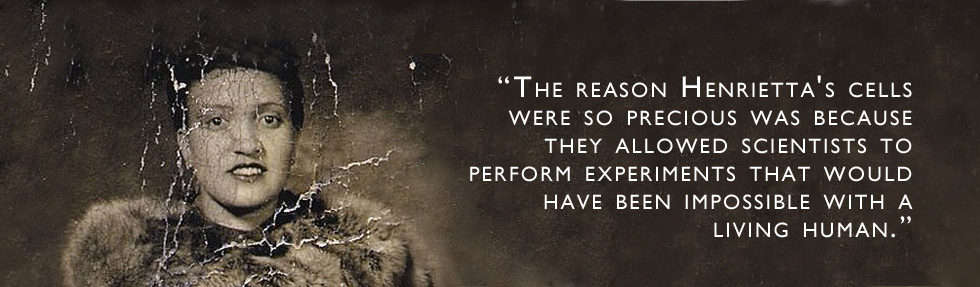
Wilson-Roe's dedication to Henrietta Lacks is evident in her extensive research spanning over two decades. Her mission goes beyond the creation of the statue; she aims to complete a series of 24 portraits of the Lacks family. These portraits will be gifted to the family, ensuring that they have full control over their own legacy. This act of generosity and respect further emphasises the artist's commitment to honouring Henrietta and her enduring impact.
Professor Jeremy Tavare, Dean of the Faculty of Life Sciences at the University of Bristol, recognises the immense contribution Henrietta Lacks has made to the field of biomedical science. Her cells have been instrumental in numerous research projects, including those conducted by Tavare himself. By hosting this beautiful statue on the university campus, Tavare and his colleagues aim to visually acknowledge Henrietta's invaluable role in the groundbreaking discoveries made in Bristol over the past seven decades. It is a fitting tribute to a woman whose impact on scientific progress cannot be overstated.


Professor Judith Squires, Deputy Vice-Chancellor and Provost, emphasised the immense significance of Henrietta Lacks' contribution to scientific research and healthcare worldwide. Her legacy has left an indelible mark on the field, and it is impossible to underestimate the impact her cells have had.

The unveiling of this statue is a testament to the profound influence Henrietta Lacks' cells have had on research not only in Bristol but also across the globe. It serves as a symbol of the groundbreaking discoveries made possible by her cells and the countless lives that have been saved as a result.
The Lacks family shares a special connection with Helen Wilson-Roe, a talented local artist who envisioned this statue to honour Henrietta Lacks. We are delighted to provide a permanent home for this remarkable piece of art right here on our campus, ensuring that Henrietta's legacy continues to inspire future generations of scientists and researchers.