January 20th: Today's Feature - Arthur Wharton, Footballer
- Jan 20
- 3 min read
January
Arthur Wharton (28 October 1865 – 12 December 1930) is widely considered to be the first black professional footballer in the world. Though not the first black player outright – the amateurs Robert Walker, of Queen's Park, and Scotland international player, Andrew Watson, predate him (possibly a professional before Arthur Wharton for Bootle F.C. in 1887) – Wharton may have been the first black professional and the first to play in the Football League.

Early Life, Ancestry and Career
Born in Jamestown, Ghana in 1865, Arthur "Kwame" Wharton was a true sporting pioneer and trailblazer. In 1883, he made the bold decision to move to England and pursue his dreams of becoming a missionary at Cleveland College in Darlington. Little did he know that this move would set him on a path to greatness in the world of sports.
It was during his time at Cleveland College that Arthur discovered his incredible talent and passion for athletics. Initially competing as a "gentleman amateur," he soon realized that his true calling was to become a full-time athlete. With unwavering determination and dedication, Arthur embarked on a journey that would forever change the sporting landscape.
On the 3rd of July 1886, at Stamford Bridge in London, Arthur Wharton etched his name in history by becoming the first official fastest man. He shattered records with a remarkable time of 10 seconds flat in the 100 yards (now meters), a feat that would remain unbeaten for over three decades. His extraordinary achievement catapulted him into the spotlight and solidified his status as a sporting legend.

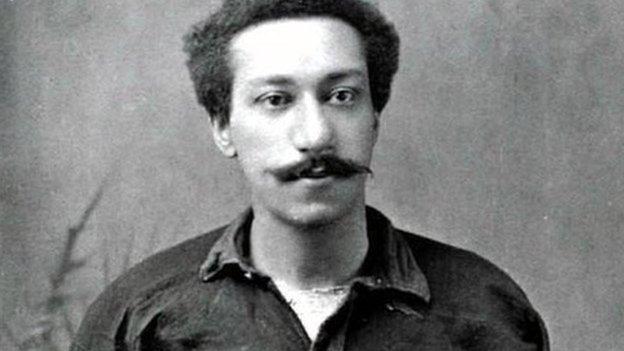

But Arthur's talents extended far beyond the realm of sprinting. He broke barriers and shattered stereotypes by becoming the world's first black professional footballer. His skills on the football field were unmatched, and he paved the way for future generations of black athletes to excel in the sport.
Not content with just one sport, Arthur Wharton continued to push boundaries and excel in various disciplines. He became a cycling champion, a professional cricketer, and even dabbled in rugby. His versatility and natural athleticism were truly awe-inspiring, and he left an indelible mark on each sport he pursued.


Beyond his remarkable sporting achievements, Arthur Wharton's legacy is defined by his resilience in the face of adversity and his unwavering commitment to his communities. He tackled social issues that still resonate today, using his platform to challenge racism and discrimination. His impact went far beyond the realm of sports, making him a true figurehead and an inspiration to all.


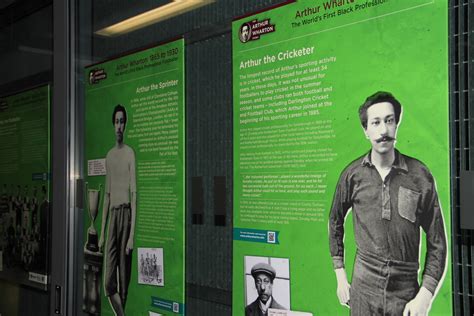
Legacy
Having developed a drink problem, Wharton retired from football in 1902 and found employment as a colliery haulage worker at the Yorkshire Main Colliery in Edlington. By 1911 he was employed as a collier and living in Moor Thorpe, West Yorkshire, with wife Emma. When World War I began in 1914 Wharton joined the Volunteer Training Corps (roughly equivalent to the Home Guard of World War II), volunteering to give his life in defence of Britain if called upon.
Sadly, Arthur's life took a tragic turn, and he passed away in 1930. He passed away with no money to his name while residing in the Springwell Sanatorium located in Balby. To add to the sorrow, he was laid to rest in an unmarked grave within the confines of Edlington Cemetery.



However, the year 1997 brought a glimmer of hope and justice for Arthur. Thanks to the relentless efforts of Football Unites Racism Divides, an organization dedicated to combating racism, a campaign was launched to honor Arthur's remarkable accomplishments. As a result, his previously unmarked grave was adorned with a dignified headstone in May of that year.
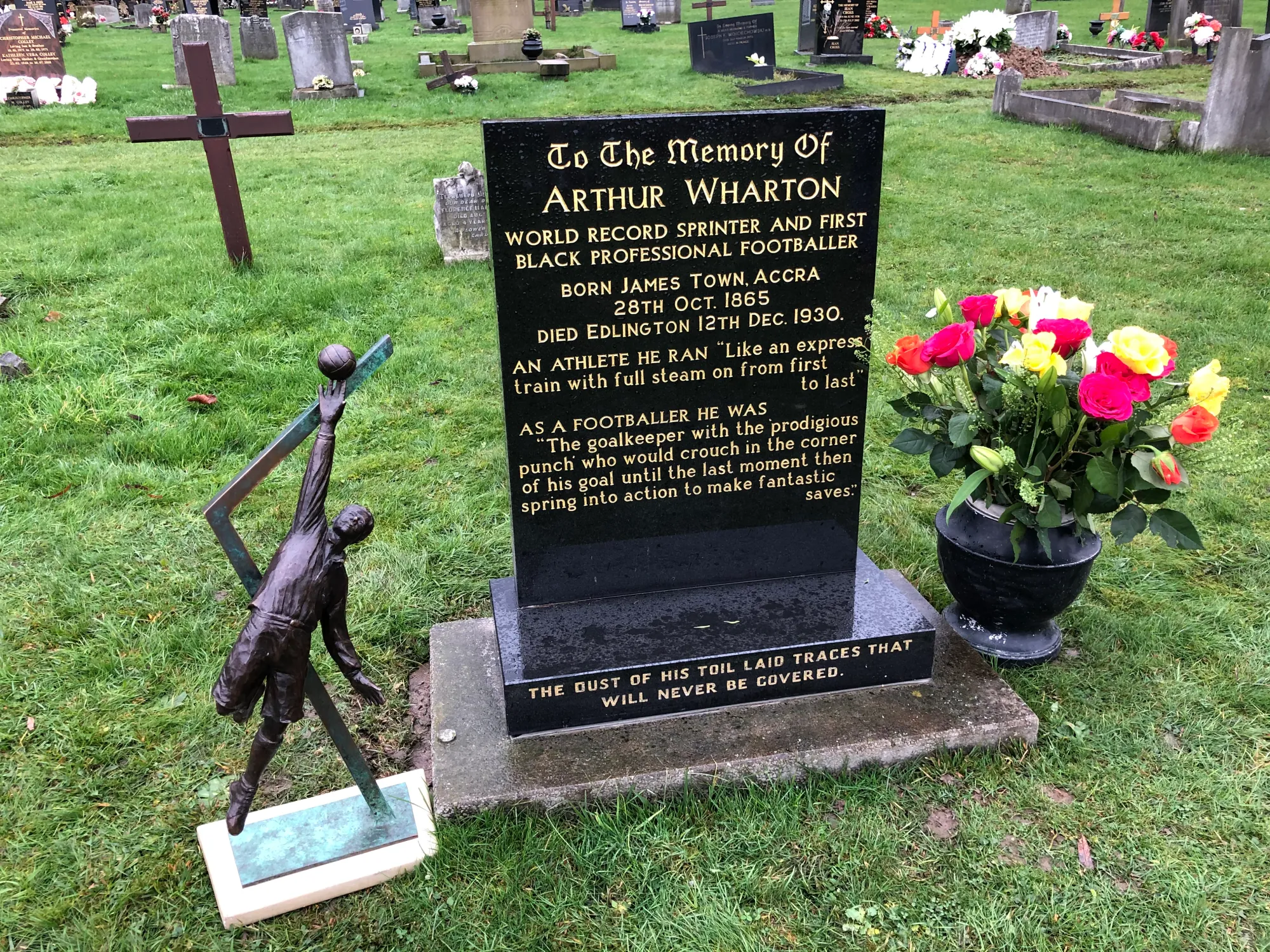
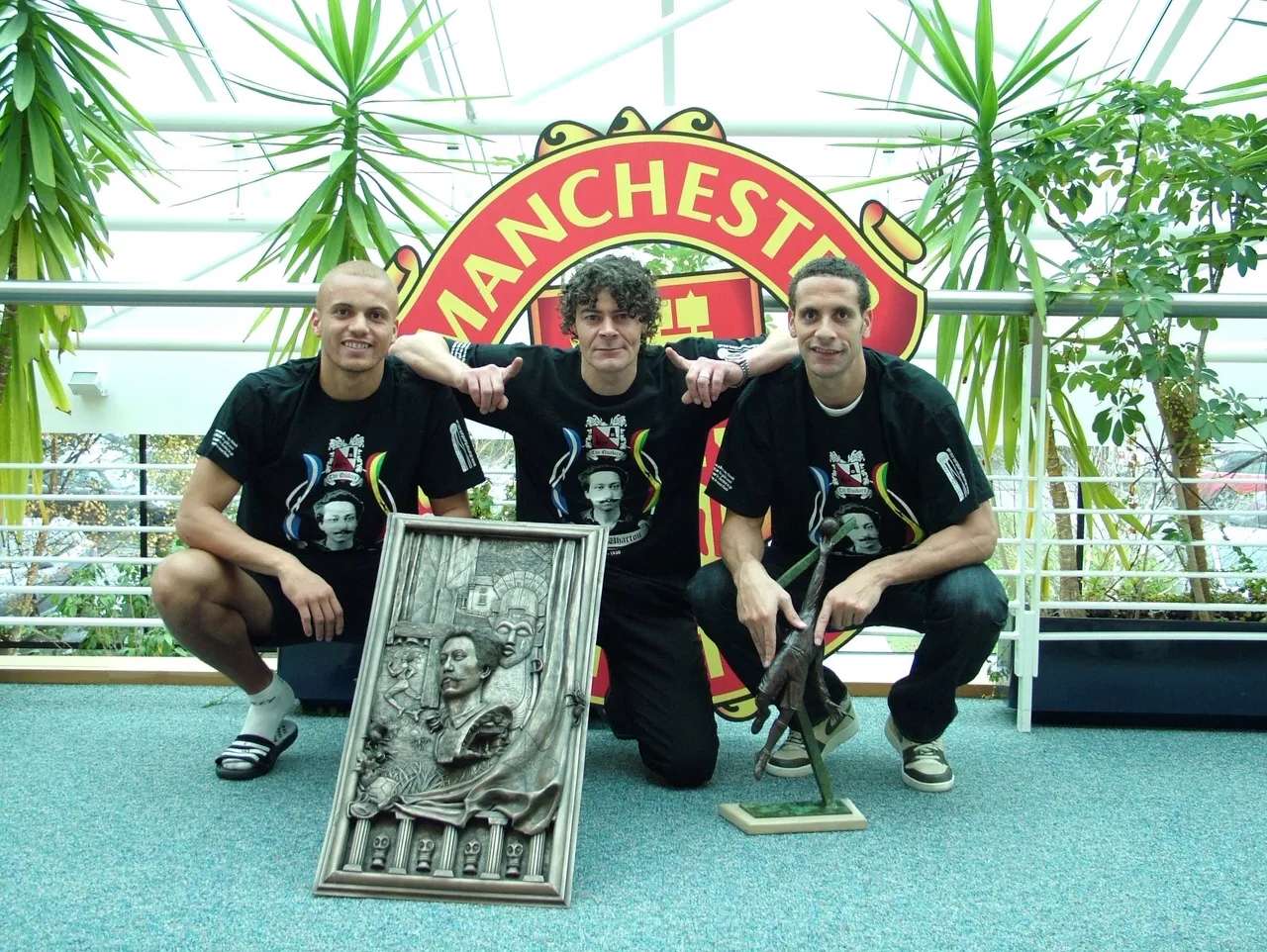
Arthur Wharton's significance in history cannot be overstated. His extraordinary achievements have solidified his place in the annals of time, ensuring that his legacy will endure for generations to come. Despite the hardships he faced in life, his remarkable talents and contributions to society will forever be remembered and celebrated.


In 2012, a small statue of Wharton was presented to Sepp Blatter at the headquarters of FIFA, where it will be on permanent display. On 16 October 2014, a statue honouring Wharton was unveiled at St George's Park National Football Centre.
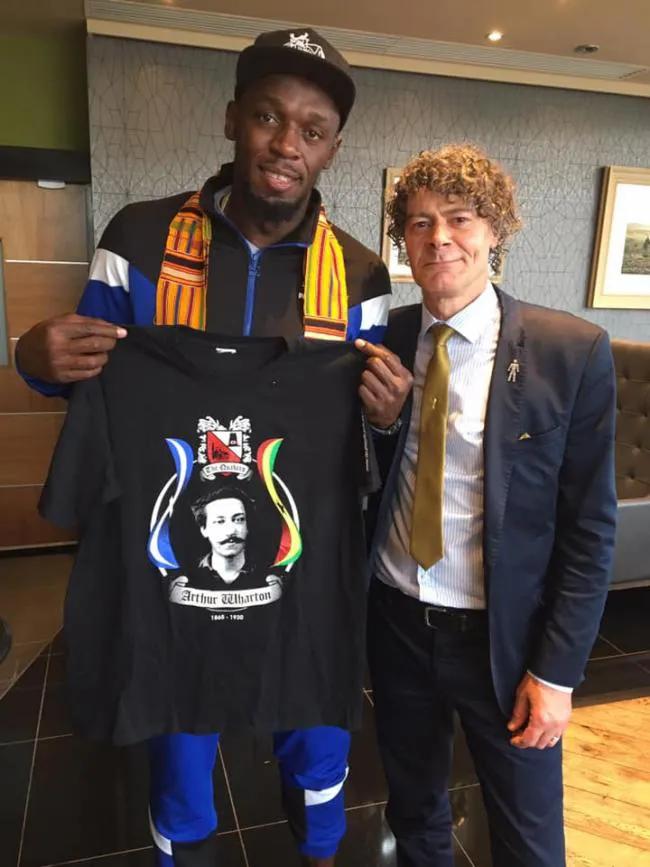


In 2020, a mural was unveiled in Darlington on Arthur Wharton's 155th anniversary.