February 9th: Today's Feature
- webbworks333
- Feb 9, 2025
- 4 min read
February
Julie Felix, 1956 - present, had always harboured a deep-seated aspiration of becoming a professional ballerina in her native country. However, her dreams seemed to be on the verge of shattering when she lacked the courage to join an American dance troupe. Little did she know that this pivotal decision would alter the course of her life forever.
Fast forward to the present year, 2024, and Julie is set to receive an MBE from the King, a testament to her remarkable journey.

Yet, back in 1975, when she was just a student, life was starkly different. Despite leaving an indelible impression on talent scouts during Rudolf Nureyev's production of Sleeping Beauty with the esteemed London Festival Ballet, Julie was dishearteningly informed that a permanent contract would not be extended to her due to the colour of her skin. This devastating blow left her shattered, as she had always aspired to work in the UK, fully aware of her undeniable talent.
In a poignant reflection, Julie expressed her disbelief, stating, "I mean my skin isn't even that dark!" However, she emerged from this setback with a powerful message for anyone facing similar circumstances today. Julie emphasised the importance of recognising that one's ability should never be the hindrance to their success, urging individuals to persevere and overcome the barriers that society may impose.
The 67 year old ballet dancer turned coach, now residing in Looe, Cornwall, expresses her belief that attitudes within the British ballet world have undergone a transformation. She highlights that progress has been made, albeit at a slower pace compared to the United States. In the 1980s, ballet companies would often adopt a tokenistic approach, considering the inclusion of one or two individuals from diverse backgrounds as sufficient. However, she observes a positive shift in recent times, with an increasing number of minority families expressing interest in enrolling their children in the arts.
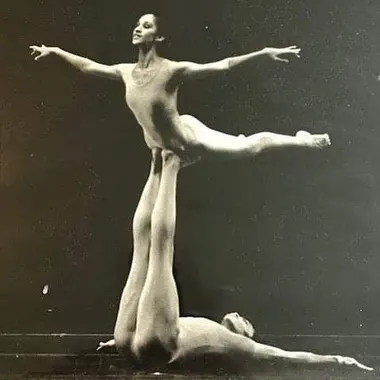

Despite these positive changes, the ballet world in the UK still faces challenges. Julie emphasises that the cost of pursuing ballet training remains exorbitant, making it unaffordable for many working families. She notes that even with the availability of grants, the expenses associated with top ballet schools are simply unrealistic to cover entirely. This financial barrier continues to hinder access and opportunities for aspiring dancers from less privileged backgrounds, highlighting the need for further support and affordability within the ballet education system.
Julie, during her tenure as a coach at the Birmingham Royal Ballet, initiated a remarkable initiative of hosting performances at inner city schools. The purpose of this endeavour was to identify talented children from underprivileged backgrounds who could benefit from the ballet company's free after-school program. This innovative program was inspired by a similar scheme that Julie had observed during her time at the Dance Theatre of Harlem, where she had secured her first professional contract.


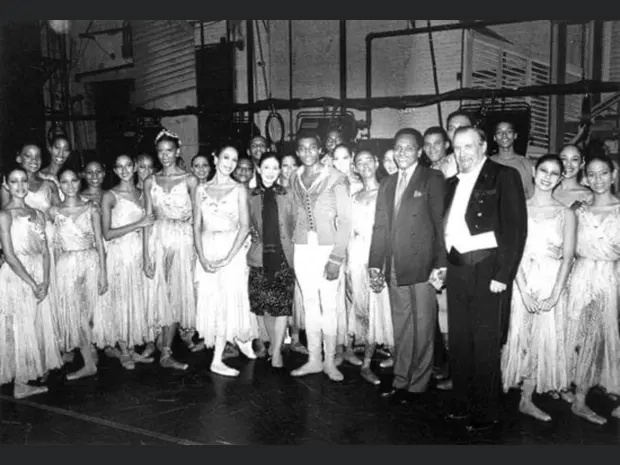
New York City played a pivotal role in Julie's career, serving as the platform for her breakthrough. However, living in the city during the 1970s was not without its challenges. Julie found herself in the midst of the New York City Blackout shortly after her arrival, an experience that left her feeling unsettled. Additionally, she witnessed instances of police brutality towards black individuals, which deeply affected her. Recounting a distressing incident, Julie described how she saw a young black man being pursued by two police officers, who ultimately shot him in the back. This incident left her emotionally shattered.
As her career progressed, Julie encountered further instances of racial tension. During her time in Georgia, she was confronted with the shocking sight of the Ku Klux Klan marching, an event that resulted in the cancellation of their shows. Reflecting on these experiences, Julie expressed her disbelief at witnessing such hatred and discrimination firsthand. Growing up in a mixed-race family, she had never been made acutely aware of her differences until these encounters, which served as a stark reminder of the racial divide that still persisted in society.


Julie recalls that despite the challenges she faced, her time with the Dance Theatre of Harlem was filled with some of the most memorable moments of her life.
She had the opportunity to perform for esteemed audiences, including President Reagan, Pavarotti, Prince, and Michael Jackson. However, it was her first solo performance at the Royal Opera House in London that truly stood out as a moment of triumph for Julie.


This achievement held special significance for her, as her mother had once expressed her belief that Julie would one day perform on that very stage. Julie fondly remembers placing her hand on her heart and acknowledging her mother's foresight, realising that she had indeed fulfilled her dream. Upon returning to the UK permanently, Julie did not receive a dancer's contract but instead took on the role of company teacher and remedial coach at Sadler's Wells Ballet whist starting a family.


The book "Brickbats and Tutus" has been published, chronicling her life story, and in 2022, she was honoured with the title of Honorary Fellow at Falmouth University. This recognition has been a significant milestone in her journey.


However, she considers being offered the MBE (Member of the Order of the British Empire) as her greatest accolade to date. She believes that accepting this prestigious honour symbolises the immense effort and dedication she, her mother, and her entire family have invested in their endeavours.