February 22nd: Today’s Feature
- webbworks333
- Feb 22, 2025
- 5 min read
February
Pearlina Alcock (1934 Jamaica – 7 May 2006, London, England), a Jamaican-born artist and club owner, had a fascinating life and career. In 1934, she was born in Jamaica and later moved to the United Kingdom at the age of 25. Leaving behind her marriage in Jamaica, she embarked on a new chapter in her life.
Life & Work
Initially, Alcock found work as a maid in Leeds, but it was in the 1970s that she truly made her mark. She opened a dress shop located at 103 Railton Road in Brixton, which quickly became a popular spot. However, her entrepreneurial spirit didn't stop there. Beneath the dress shop, she also established an illegal shebeen, a secret bar that became popular with the gay community. This underground establishment gained quite a reputation, attracting a diverse clientele.

The Shop, Bar & Cafe
Unfortunately, the first Brixton uprising had a significant impact on Alcock's business. The unrest resulted in a decrease in customers, forcing her to close down the dress shop. However, she didn't let this setback deter her. Instead, she decided to open a cafe at 105 Railton Road. This new venture faced its own challenges, particularly during the 1985 Brixton uprising. The financial strain caused by the uprising led to the electricity being shut off, leaving Alcock to run the cafe by candlelight. Despite these hardships, Alcock's determination and resilience allowed her to continue pursuing her passion for art and creating a welcoming space for the community.
Art CareerPearl Alcock's artistic journey began with a simple act of resourcefulness. Unable to afford a birthday card for a friend, she decided to draw one instead. Little did she know that this small gesture would ignite a passion within her. Alcock vividly recalls the moment she realised her talent for drawing, saying, "I went mad scribbling on anything I laid my hands on."


Her friends were quick to recognise her artistic abilities and started bringing her materials to fuel her newfound passion. And so, her artistic journey began.
As time went on, Pearl Alcock's talent gained more recognition. By the late 80s, her artwork was being exhibited at prestigious venues such as the 198 Gallery, the Almeida Theatre, and the Bloomsbury Theatre. Her unique artistic style and captivating creations caught the attention of art enthusiasts and critics alike. In 1990, her work even made its way into the London Fire Brigade calendar, further solidifying her growing reputation as a talented artist.
However, it was in 2005, a year before her passing, that Pearl Alcock truly received mainstream recognition. Monika Kinley, a prominent advocate of Outsider Art, described her as "a visual poet." This accolade came as her work was included in Tate Britain's first-ever exhibition dedicated to Outsider Art. This significant milestone not only celebrated Alcock's artistic achievements but also shed light on the often overlooked genre of Outsider Art.


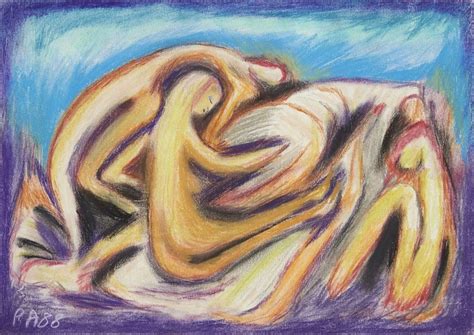
Despite her esteemed status within the realm of Outsider Art, Pearl Alcock's work has faced challenges in the art market. Multiple attempts to auction her pieces have resulted in only one successful sale. In 2012, her artwork titled "Thukela (Tugela) River" fetched a price of $294 USD at Germann Auctions. However, her artistic legacy continues to be honoured. In 2019, the Whitworth Art Gallery in Manchester dedicated a retrospective exhibition to Pearl Alcock, showcasing her remarkable body of work and ensuring that her artistic contributions are remembered and appreciated for years to come.
The Brixton LGBTQ CommunityAlcock's shebeen played an incredibly significant role in the LGBTQ community of Brixton during that time. Simon, a white British man, vividly remembers the establishment as a vibrant and bustling hub where people from both the local LGBTQ black and white communities would come together.


The atmosphere at Alcock's shebeen was always electric, with the space constantly filled with people dancing and enjoying themselves. The venue itself was of a moderate size, yet it managed to accommodate a large number of individuals who were eager to socialise and have a great time. At one end of the shebeen, there was a well-stocked bar offering a variety of beverages, including popular choices like Heineken and a range of cocktails such as martinis. This diverse selection catered to the different tastes and preferences of the patrons, ensuring that everyone could find something they enjoyed.
In terms of the demographic makeup of the crowd, there was a noticeable gender imbalance, with only a small number of women present. However, the majority of attendees were black men, comprising approximately 80% of the crowd, while the remaining 20% were white individuals. This unique blend of people from different nationalities created a dynamic and inclusive environment where everyone felt welcome and accepted.
Interestingly, Simon also observed that within the black male attendees who frequented Pearl's, another popular LGBTQ venue, there was a fairly even split in terms of their relationships. Roughly half of them were in relationships with white partners, while the other half were in relationships with black partners. This further emphasised the diversity and acceptance within the LGBTQ community at Alcock's shebeen, as individuals from different national backgrounds formed connections and relationships with each other.
Overall, Alcock's shebeen held an unprecedentedly important place in the Brixton LGBTQ scene during that time. It served as a vibrant meeting point for both the local LGBTQ black and white populations, offering a lively atmosphere, a diverse range of drinks, and a sense of inclusivity that fostered connections and relationships between individuals from different heritage backgrounds.
DeathPearl was adored by people and reciprocated their affection. Her boutique, shebeen, and café attracted a diverse group of customers and friends whom she genuinely cared for.


The sentiment was mutual, with people still speaking warmly of her. Whether personally acquainted or acquainted through legendary anecdotes and stories, Pearl left a lasting impression on those who knew her.
During challenging times, Pearl experienced the kindness she had shown to others being returned to her. The residents of Brixton, who supported Pearl financially by purchasing her artwork, cherish these pieces as cherished possessions that hold countless memories of their dear friend. Pearlina Alcock, the young woman who arrived from Jamaica with big dreams and only five pounds in her pocket, passed away on 7th May 2006, at the age of 72 as a respected artist and beloved member of the Brixton community.


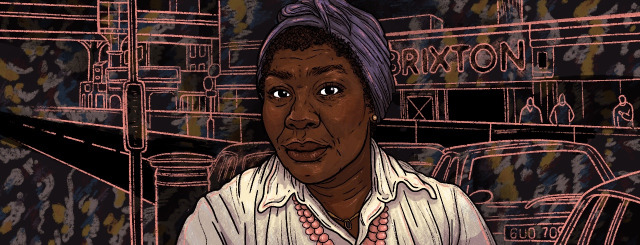

Throughout her life, she resided in close proximity to the three distinct establishments she had managed on Railton Road, while also dedicating herself to her artistic pursuits. Her funeral was attended by a multitude of individuals, a testament to the impact she had made on those around her.