March 18th: Today’s Feature
- webbworks333
- Mar 18, 2025
- 4 min read
March
Barbara Dettering
Born in British Guyana in 1939, Barbara Dettering relocated to Bristol in 1961, residing in various neighbourhoods such as Clifton, St Werburghs, Bedminster, and eventually settling in Eastville. Throughout her time in the city, she actively engaged in the community, working as a Development Officer, teaching both academic and social skills.
Transitioning to a career as a Social Worker, Barbara dedicated 18 years to positively impacting the lives of numerous individuals in Bristol. Her unwavering activism for racial equality led her to fight against injustice and play a significant role in the Bristol bus boycott campaign.

Barbara's involvement in the community extended beyond her professional endeavours. She co-founded the St Pauls Carnival and remains a vital member of the Bristol West Indian Parents and Friend Association and The Malcolm X elders Forum. Reflecting on her experiences, Barbara fondly recalls the warm reception she received from the black community upon her arrival in Bristol, fostering a sense of belonging and love. She cherishes her memories of the community and expresses her contentment with living in Bristol, stating that she wouldn't choose any other place to call home.
Barbara Dettering, has made a significant contribution to both Bristol and society as a whole. Her impact on Bristol's heritage is undeniable, and she has been honoured through the Seven Saints of St Pauls project. This project consists of a series of painted murals created by artist Michele Curtis, which serve as a celebration of Barbara's achievements. As a member of her generation, Barbara possesses a wealth of stories that have shaped the fabric of our city. While some of these stories have been documented, there are still many untold tales that hold great importance.


Barbara's journey to Bristol from Guyana in 1961 was a pivotal moment in her life. During the 1950s and 1960s, numerous young West Indian men and women migrated to Britain, with many choosing to settle in the St Paul's area of Bristol. Barbara, like many others, dedicated most of her life to bringing positive change to societal values. She eventually became a Social Worker with a commitment to helping others and making a positive impact on society which has been truly commendable.
One particularly significant event that Barbara experienced was the Bristol Bus protests of 1963. Reflecting on this momentous occasion, she expressed how it provided a clear path forward and served as a major milestone in the fight against discrimination. Prior to this protest, it was legal to discriminate against certain individuals. Barbara takes great pride in knowing that she and others from her generation played a role in raising awareness among young people and bringing about positive change. She believes that many young individuals today are unaware of the struggles and accomplishments of those who came before them, and she hopes that by sharing her stories, she can help bridge this knowledge gap and inspire future generations.


The bus boycott marked a significant triumph for the civil rights movement, ultimately leading to the implementation of the Race Relations Act in 1965 under the leadership of Harold Wilson, the Labour leader at the time. This groundbreaking legislation effectively prohibited any form of discrimination within the workplace, a crucial step towards achieving equality and justice for all individuals.
The demonstrations, spearheaded by Dr Paul Stephenson, drew inspiration from prominent figures such as Martin Luther King Jr and Rosa Parks. Rosa Parks' refusal to surrender her seat to a white passenger on a Montgomery bus served as a powerful catalyst for the boycott. Driven by the desire for change and equal rights, Barbara, along with the other protesters found solace and encouragement in the words of Martin Luther King Jr, particularly his iconic speech "I have a dream." The convergence of these events on the same day brought a sense of validation and triumph to the participants, as they witnessed the power of collective action and the realisation of their aspirations.
By September 1963, Bristol witnessed a significant milestone in its history as it welcomed its first non-white bus conductors. This development marked a tangible outcome of the bus boycott and the broader civil rights movement. In response to this newfound representation and empowerment, Barbara and a group of African Caribbean elder women from the community took the initiative to share and celebrate their stories.
They established the Malcolm X Elders Theatre Company, which became affiliated with ACTA (the Arts Council of England). Through their captivating production titled "We have Overcome - a Windrush generation story," these women and their peers narrated their personal experiences and the collective experiences of their generation, reclaiming their narratives on their own terms. This theatrical endeavour not only served as a means of self-expression but also as a powerful tool for education and raising awareness about the struggles and triumphs of the Windrush generation.


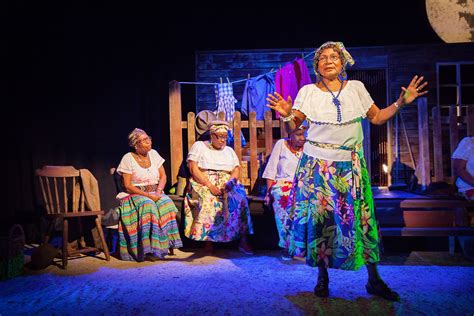
According to Christelle Pellecuer, BSWN's Cultural Heritage Manager, Barbara is affectionately known as "Aunty Babs" within the community and holds a significant level of respect among its members. Barbara's exceptional kindness and unwavering support make her stand out as one of the most compassionate individuals ever encountered in the city. Christelle personally feels privileged to refer to her as her Bristol "grandmother."
Barbara's immense contributions to both the community and the city at large have been truly remarkable, making her a role model for numerous generations.