April 3rd: Today’s Feature - Fahma Mohamed, Campaigner against female genital mutilation (FGM)
- Apr 3
- 2 min read
April
Fahma Mohamed, a remarkable teenager, has been recognised for her exceptional efforts in leading a campaign against female genital mutilation (FGM). At the age of 19, she achieved a significant milestone by being awarded a doctorate in law, making her one of the youngest individuals in the UK to receive such an honorary degree. In July 2016, Bristol University proudly presented her with this well-deserved recognition.

Expressing her overwhelming joy, Mohamed shared her excitement about receiving the doctorate. She emphasised the immense dedication and hard work that she and her team had put into this cause over the past seven years. They faced numerous obstacles and encountered initial resistance due to the sensitive nature of the issue. FGM was a topic that many people were in denial about, making it challenging for them to comprehend the campaign's perspective. However, Mohamed and her community persevered, gradually breaking down barriers and encouraging others to join their cause. Their success lies not only in raising awareness but also in empowering individuals within the community to openly express their opposition to FGM.


The transformation in people's attitudes towards the issue of FGM has been remarkable. While there are still individuals who may not agree with the urgency of addressing this problem, there is a growing number of people who have acknowledged the impact of our work in breaking the cycle of abuse within their families. Fahma shared that she was immensely grateful to everyone she had encountered on her journey. Their willingness to lend her an ear, both she and others involved in this cause, has provided them with the opportunity to make a difference in the lives of young girls who are at risk.

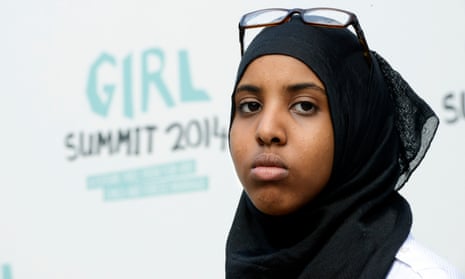
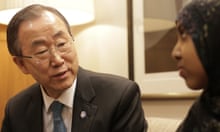
At the age of 14, Fahma embarked on a collaborative effort with the Bristol-based charity Integrate to combat FGM in Britain. This initiative gained significant momentum, and two years later, she took the lead in a national campaign alongside the Guardian and Change.org to put an end to this heinous practice. Her dedication and achievements caught the attention of the UN secretary general, Ban Ki-moon, who commended her work. In the UK, her campaign reached its pinnacle with the implementation of mandatory training for public sector workers, equipping teachers, doctors, and social workers with the knowledge and skills to identify and support girls who are vulnerable to FGM.
Disturbingly, government statistics indicate that over 20,000 British girls are at risk of undergoing FGM each year. Despite previous assurances from the government to eradicate this practice, experts have raised concerns that not only are girls still being taken abroad for cutting during the holiday "cutting season," but some are also being subjected to mutilation within the borders of Britain. This highlights the ongoing need for continued efforts to raise awareness, provide support, and enforce legislation to protect these vulnerable girls from the horrors of FGM.


Fahma Mohamed, persists in her outstanding endeavours to spearhead the movement against female genital mutilation (FGM).
Despite facing ongoing challenges, Fahma remains steadfast in her mission to raise awareness and adamantly refuses to halt her campaign in the name of justice for these vulnerable young girls. Fahma is undeniably a committed and courageous advocate.