June 4th: Today’s Feature
- Jun 3, 2025
- 3 min read
June
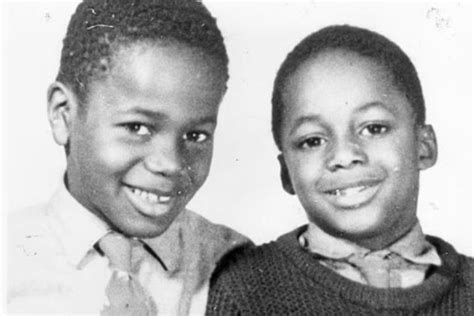
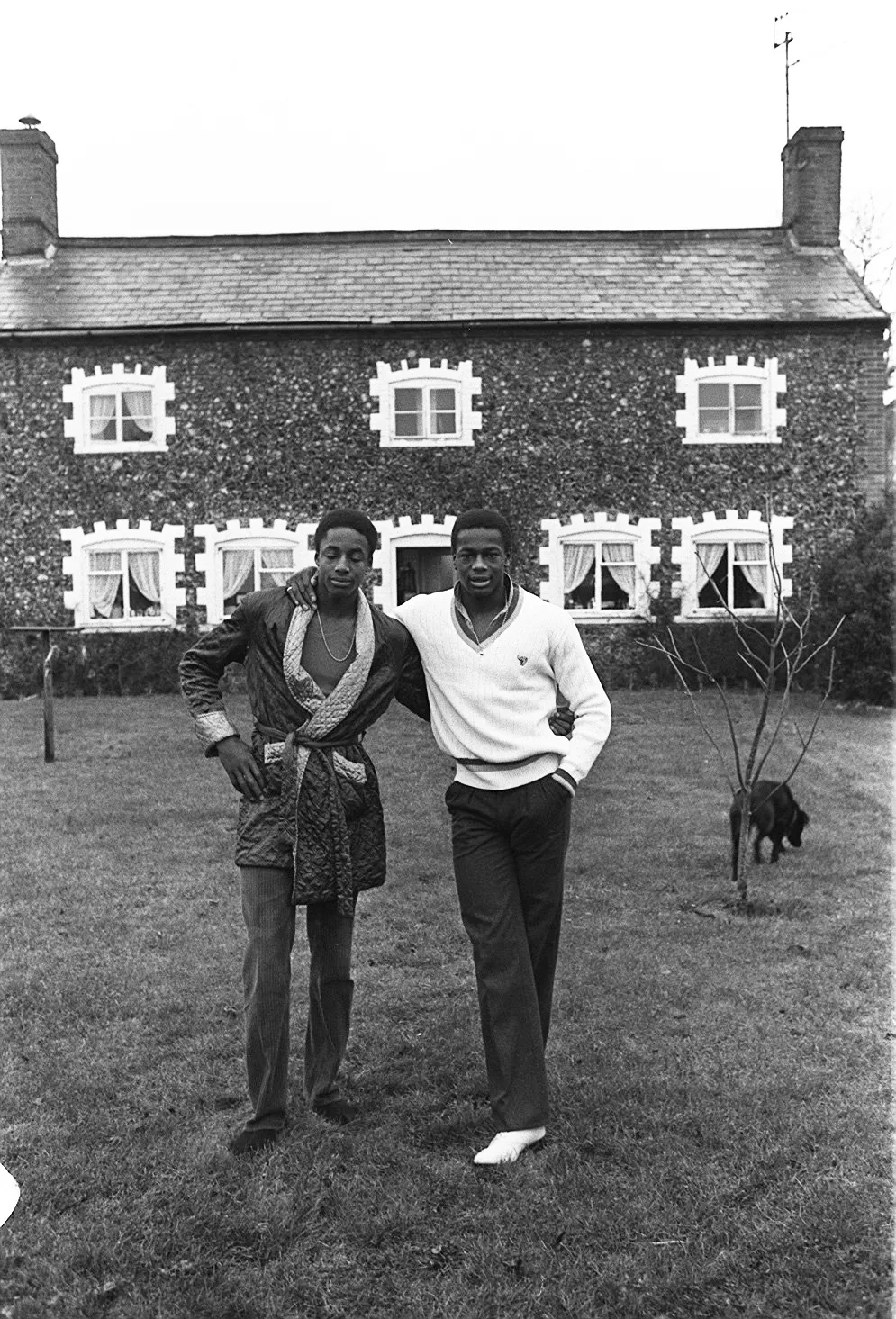
Justin Soni Fashanu, commonly known as Justin Fashanu, was born on February 19, 1961. He was born to a Nigerian barrister who resided in the United Kingdom and a Guyanese nurse named Pearl. Unfortunately, due to their parents' separation, Justin and his younger brother John Fashanu were placed in a Barnardo's children's home. However, their lives took a positive turn when they were fostered by a caring couple named Alf and Betty Jackson. The Jacksons provided a loving home for the brothers in Shopham, Norfolk.

Early Life
During his youth, Justin displayed exceptional talent in boxing and showed great promise in the sport. He dedicated himself to boxing and even contemplated pursuing a career as a professional boxer. However, as time went on, Justin's passion shifted towards football. He recognised his potential in the sport and decided to focus his efforts on becoming a professional footballer.
Justin's transition from boxing to football proved to be a pivotal moment in his life. He dedicated himself to honing his skills on the football field and worked tirelessly to improve his game. This dedication paid off, as he began to make a name for himself in the footballing world. Justin's determination and talent propelled him to achieve great success in his football career, leaving a lasting impact on the sport.
Career
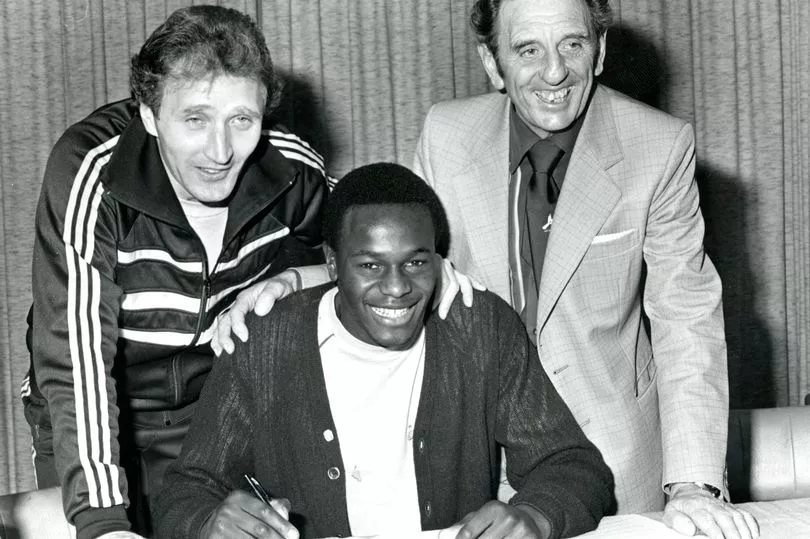
Spotted by a Norwich City football club scout during a school match in 1974, Fashanu later joined the club's academy and turned professional in December 1978. He made his league debut in January 1979 against West Bromwich Albion and quickly became a key player for the team.




In 1980, Fashanu received the BBC Goal of the Season award for a remarkable goal against Liverpool, considered one of the best goals in Norwich City's history. During his time at Norwich, he made 103 senior appearances and scored 40 goals, showcasing his talent on the field.
After his successful spell at Norwich, Fashanu signed with Nottingham Forest in August 1981, making history as Britain's first £1 million Black footballer. His career continued to flourish, leaving a lasting impact on the football world.


Discrimination
Despite his struggles to maintain his performance at the club, Justin Fashanu faced difficulties due to his strained relationship with Nottingham Forest manager Brian Clough, who disapproved of his sexuality and lifestyle. As a result, Clough prevented him from training with his teammates, leading to Fashanu being frozen out of the first team and eventually loaned to Southampton. Eventually, he was sold to Nottingham Forest's rivals, Notts County, for a mere £100,000.




Following his departure from Nottingham Forest, Fashanu continued his football career by playing for various clubs until his retirement in 1997. Despite facing challenges and discrimination due to his sexual orientation, he persevered and made significant contributions to the sport.
In October 1990, Fashanu made the courageous decision to publicly come out as gay in an interview with The Sun, becoming the first openly gay professional footballer in the UK at that time. While he claimed to have received some acceptance from his fellow players, he also experienced derogatory jokes and constant abuse from both his teammates and the crowd. Tragically, Justin Fashanu took his own life in May 1998.


Legacy
In the year 2017, a movie titled ‘Forbidden Games: The Justin Fashanu Story’ was launched by Netflix, shedding light on his life and experiences. This film aimed to bring awareness to the challenges faced by Justin Fashanu, a prominent figure in the world of football who struggled with his identity as a gay man. Additionally, in 2020, he was posthumously honoured by being inducted into the National Football Museum Hall of Fame, recognising his contributions to the sport and his enduring legacy.


The impact of Justin Fashanu's story continues to resonate through the efforts of various LGBT+ advocacy groups and organisations. Notably, the Justin Campaign and The Justin Fashanu Foundation, established by his niece Amal Fashanu, are dedicated to promoting inclusivity and equality within the football community. These initiatives work towards creating a more accepting and supportive environment for LGBTQ+ individuals in sports, carrying forward Justin Fashanu's message of empowerment and acceptance.




Through the documentary film and his posthumous induction into the National Football Museum Hall of Fame, Justin Fashanu's story has gained recognition and appreciation on a broader scale. His enduring legacy is further solidified by the ongoing work of the Justin Campaign and The Justin Fashanu Foundation, which strive to honour his memory by advocating for diversity and inclusion in the world of football. By shedding light on his struggles and achievements, these initiatives aim to inspire positive change and foster a more inclusive sporting community for future generations.