June 6th: Today's Feature
- Jun 5, 2025
- 2 min read
June
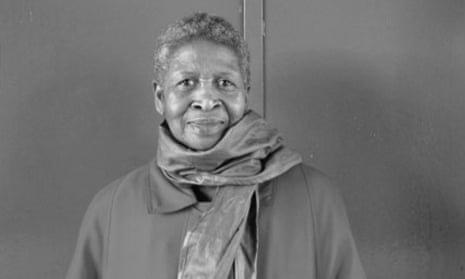
Mavis Best
During the 1980s, the implementation of the Sus Law by the British police had severe consequences for young Black men. This law, which originated from the 1824 Vagrancy Act, granted police officers the authority to detain, assault, criminalise, and imprison individuals based on mere suspicion of potential future criminal activity. Shockingly, even boys as young as 11 years old, dressed in their school uniforms, were subjected to arrests while innocently waiting at bus stops to go home. The impact of this unjust law was exacerbated by the fact that evidence was often planted, leading to unwarranted convictions that detrimentally affected the job prospects of many teenagers.

In the face of such injustice, Mavis Best, a courageous young Black mother from Lewisham in Southeast London, took it upon herself to challenge the police and rescue the detained boys. When she confronted the police about the wrongful detention of children, she was met with threats of her own arrest. Undeterred, Mrs. Best fearlessly responded, "Arrest me then!" Her unwavering determination and refusal to back down in the face of intimidation made her a true hero.
Determined Leader
Mrs. Best emerged as one of the prominent leaders of the Black female-led "Scrap Sus" campaign. This group of dedicated activists tirelessly worked towards their goal, employing various strategies such as fundraising, lobbying, protesting, collecting evidence, conducting interviews, writing articles, engaging with officials, and even debating police officers and Home Office ministers. Their relentless efforts paid off, as the campaign successfully achieved its objective of having the Sus Law abolished within a remarkably short span of three years since its inception. The triumph of the "Scrap Sus" campaign stands as a testament to the power of grassroots activism and the resilience of those who refuse to accept injustice.



Honours & Legacy
Mavis Best led a life filled with remarkable achievements that left a lasting impact on those around her. Her dedication to various causes, including campaigns, protests, community groups, and grassroots organisations, all aimed at advancing the rights and well-being of Black individuals, was truly unparalleled. Despite receiving an MBE in 2002 for her outstanding contributions to the community, the sheer magnitude of her work over the decades, starting from the late 1960s, remains immeasurable.


According to her granddaughter, Isha Dibua, Mavis Best was a beacon of support and strength for many, balancing social work during the day with aiding those in need at night. Her home was a sanctuary for anyone seeking assistance, reflecting her unwavering determination and resilience. Described as a force to be reckoned with, Best never shied away from challenges and always stood firm in her beliefs, making her a formidable advocate for justice and equality.



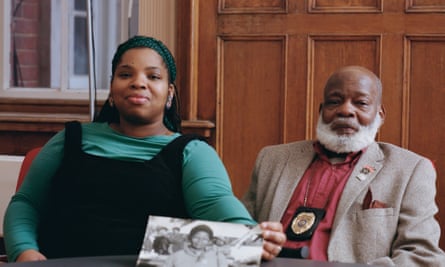
Her husband, Fabian, attests to her unwavering commitment to causes she held dear, emphasising her relentless pursuit of justice and equality. Best was deeply involved in various pivotal moments in the history of Black communities in south London, including the tragic New Cross house fire, the Brixton riots in 1981, and the racially motivated killings of Stephen Lawrence and others in the 1990s. Her proximity to these significant events underscores her profound impact and unwavering dedication to fighting for justice and equality for all.
Best passed away at the age of 83 on 14 November 2022.