June 11th: Today's Feature
- Jun 10, 2025
- 4 min read
June
Dame Jocelyn Anita Barrow DBE (15 April 1929 – 9 April 2020) was a prominent British figure known for her roles as an educator, community activist, and politician. She served as the Director for UK Development at Focus Consultancy Ltd. Additionally, she made history as the first black woman to become a governor of the British Broadcasting Corporation (BBC) and was also the founder and Deputy Chair of the Broadcasting Standards Council.

Early Life and Career
Jocelyn Barrow, born in Port of Spain, Trinidad and Tobago, was actively involved in politics as a member of the People's National Movement. She had a diverse background, with her father being Barbadian and her mother being from Trinidad and Tobago. After completing her training to become a teacher, Barrow decided to pursue postgraduate studies in Britain. In 1959, she traveled to London and enrolled at the University of London, where she focused on studying English.
One of Barrow's notable achievements was her involvement in the Campaign Against Racial Discrimination (CARD). She played a crucial role as a founding member, general secretary, and later vice-chair of the organisation. Between 1964 and 1967, CARD actively lobbied for race relations legislation, which eventually led to the enactment of the Race Relations Act in 1968. Reflecting on her experience with CARD, Barrow acknowledged its effectiveness but expressed a desire for a more grassroots approach. She mentioned that the organisation was led by individuals like herself, Lord David Pitt, and Anthony Lester, a QC. However, she also recognised that many individuals at the grassroots level were preoccupied with their own survival, although some did join the cause.
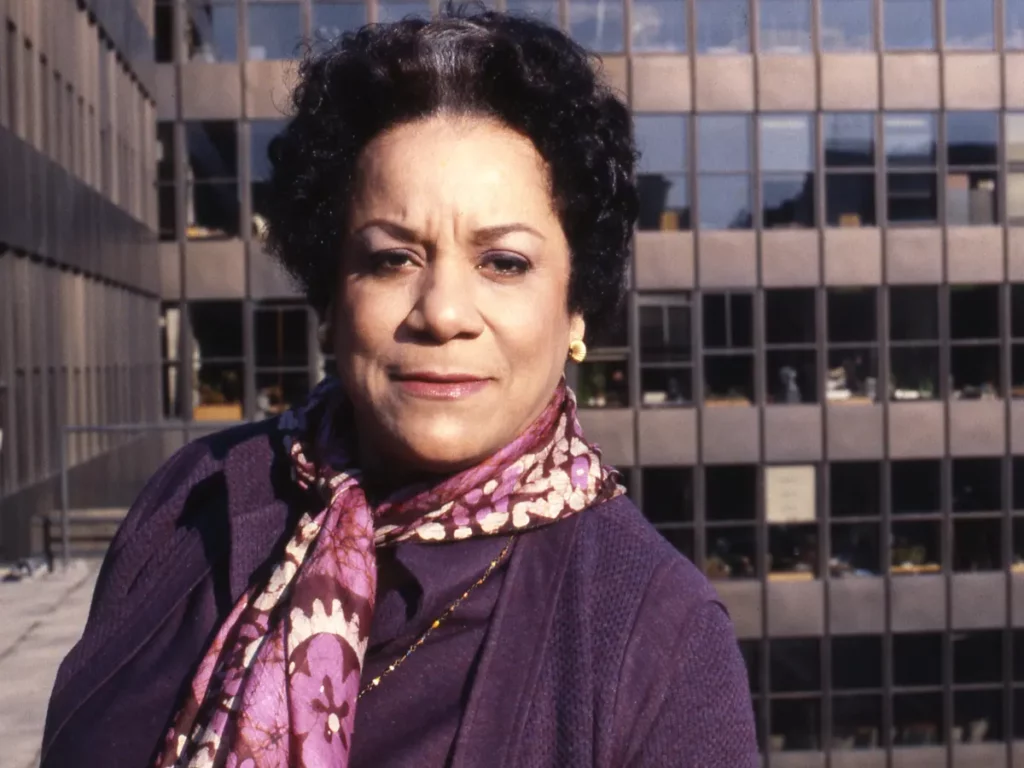


In addition to her involvement with CARD, Barrow was a prominent member of the North London West Indian Association (NLWIA). Established in 1965 as part of the West Indian Standing Conference, the NLWIA aimed to advocate for the rights of West Indians. It was formed in response to the Notting Hill riots that occurred in 1958. One of the key issues the NLWIA addressed was the prejudice faced by black children in the state education system. This issue came to light through a leaked report, and the NLWIA took action to combat this discrimination.


Through their various activities, the NLWIA sought to create a more inclusive and equitable society for West Indians living in London.
In 1968, she was appointed vice-chair of the International Human Rights Year Committee, and from 1968 to 1972 was a member of the Community Relations Commission. Barrow also held the post of vice-president of the National Union of Townswomen's Guilds.
Throughout the 1960s, as a senior teacher and later as a teacher-trainer at Furzedown Teachers College and the Institute of Education, this individual played a crucial role in pioneering the introduction of multi-cultural education in the UK. Emphasising the importance of meeting the needs of various ethnic groups within the country, she was at the forefront of promoting diversity and inclusivity in educational settings. Additionally, she was actively involved as a member of the Taylor Committee of School Governors, contributing her expertise to the governance of educational institutions.


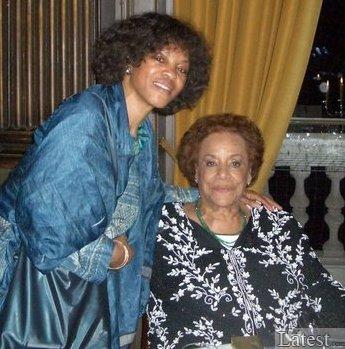
In 1984, she co-founded Arawidi Publications, a children's publishing house, alongside Yvonne Collymore. The publishing house, named after a Caribbean sun-deity, focused on producing children's books in a wide range of language forms, including West Indian dialects and Glaswegian. This initiative aimed to provide young readers with culturally diverse and engaging literature, reflecting the rich tapestry of languages and traditions present in the UK and beyond.
Over the years, she continued to make significant contributions to various sectors, including her role as a governor of the BBC from 1981 to 1988. As the first black woman to be appointed to the board of the corporation, she broke barriers and paved the way for greater diversity in media governance.
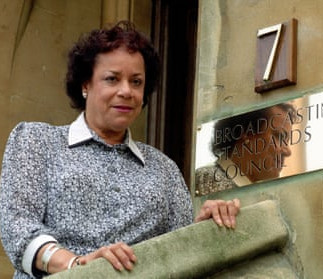
Furthermore, her involvement as founder and deputy chair of the Broadcasting Standards Council demonstrated her commitment to upholding ethical standards in broadcasting. Her leadership in the 2005 Mayor's Commission on African and Asian Heritage underscored her dedication to promoting inclusive heritage management practices that benefit all communities, emphasising the importance of shared values and cultural diversity.


Dame Jocelyn played a crucial role in setting up the North Atlantic Slavery Gallery and the Merseyside Maritime Museum in Liverpool. She held positions as a Trustee of the National Museums and Galleries on Merseyside and a Governor of the British Film Institute. Additionally, she was the first patron of the Black Cultural Archives (BCA), which recognised her significant contribution by stating that she understood the importance of a national monument like BCA to educate future generations.
Personal
Jocelyn Barrow tied the knot with barrister Henderson (Hendy) Downer in 1970, who was a member of Lincoln's Inn and the Jamaican Bar. The couple resided in Long Yard, Lamb's Conduit Street. Unfortunately, Henderson Downer passed away in January 2023. Jocelyn Barrow, who lived a remarkable life, breathed her last at the age of 90 on 9th April 2020, after being admitted to University College Hospital.


Honours & Legacy
Jocelyn Barrow's contributions and achievements were duly recognised throughout her lifetime. In 1972, she was honoured with the Order of the British Empire (OBE) for her exceptional work in the fields of education and community relations. Later, in 1992, she was appointed a Dame Commander of the Order of the British Empire (DBE) for her significant contributions to broadcasting and her role as the UK member of the Economic and Social Committee of the European Union, making her the first black woman to receive such an honour.
Jocelyn Barrow's legacy continues to inspire and resonate even after her passing. She was posthumously included in the list of "100 Great Black Britons" by Every Generation Media in 2003. Furthermore, she was awarded honorary doctorates from the University of Greenwich in 1993 and the University of York in 2007. Her name was also mentioned in June 2023 as one of the Windrush generation members who fought for civil rights in the United Kingdom, solidifying her enduring impact on British society.


Dame Jocelyn's legacy as a cultural advocate and pioneer continues to inspire generations to come. Her passion for preserving history and promoting diversity through various cultural institutions has left an indelible mark on the cultural landscape of the UK. The impact of her work in establishing institutions like the BCA serves as a testament to her unwavering dedication to ensuring that the stories and contributions of marginalised communities are not only remembered but also celebrated for years to come