June 20th: Today's Feature
- Jun 19, 2025
- 6 min read
June
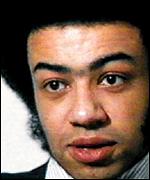
Paul Boateng was born in Hackney, London on June 14, 1951, to a family of mixed Ghanaian and Scottish heritage. At the age of four, his family relocated to Ghana, where his father, Kwaku Boateng, served as a lawyer and cabinet minister under Kwame Nkrumah. Boateng attended Accra Academy High School in Ghana until his father's imprisonment following a coup against Nkrumah in 1966. His father unjustly spent four years behind bars without a fair trial. A grave injustice which was not overlooked or forgotten by the family. At the age of 15, Boateng and his sister fled to Britain with their mother, marking the end of his life in Ghana.

They made their home in Hemel Hempstead, where he attended Apsley Grammar School. After studying law at the University of Bristol, he embarked on a career in civil rights, initially as a solicitor before later retraining as a barrister. His work primarily focused on social and community cases, including women's rights, housing issues, and police complaints. Notably, he served as the legal advisor for the Scrap Sus Campaign from 1977 to 1981. Boateng also represented Cherry Groce, a mother of six who was tragically shot and paralysed by a police officer searching for her son during a raid on her home. Eventually, he became a partner at B M Birnberg & Co and practiced as a barrister at Eight King's Bench Walk.
Political career
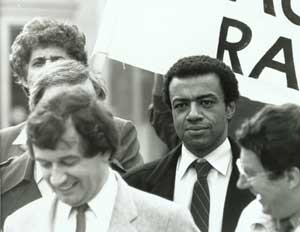
Boateng won a seat on the Greater London Council for Walthamstow in 1981, during Ken Livingstone's leadership. He became the second individual of Afro-Caribbean heritage to serve on the GLC. In his roles as chair of the police committee and vice-chair of the ethnic minorities committee, Boateng pushed for increased transparency within the Metropolitan Police and condemned racism in their interactions with black and Asian communities.
Member of Parliament
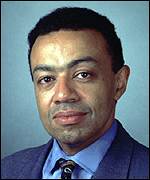
Boateng secured a position on the Greater London Council for Walthamstow in 1981 under Ken Livingstone's leadership, making history as the second Afro-Caribbean representative on the GLC. In his capacity as chair of the police committee and vice-chair of the ethnic minorities committee, Boateng advocated for greater accountability within the Metropolitan Police and denounced racial discrimination in their dealings with black and Asian populations.
Boateng's tenure was marked by his unwavering commitment to promoting transparency and equality, particularly in law enforcement practices affecting marginalised communities. His efforts to address racism and push for reforms within the police force left a lasting impact on the GLC and paved the way for more inclusive policies in London.


Ministerial career
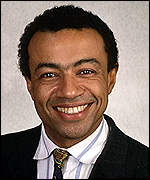
Boateng made history as the UK's first black government minister when Labour won the election. He held the position of Parliamentary Under Secretary of State at the Department of Health, where he focused on social services and mental health. One of his notable achievements was the publication of guidelines to put an end to racial discrimination in adoptions.
Boateng's political career continued to flourish as he became a Minister of State at the Home Office in 1998 and later rose to the position of Number 2 Minister. His dedication to tackling crime, particularly aggressive begging, earned him a reputation for being tough on law enforcement. Additionally, Boateng collaborated with prominent figures such as Eric Holder, the Deputy Attorney General at the time, and Louis Freeh, the Director of the FBI, to address issues related to international drug trafficking and interdiction.


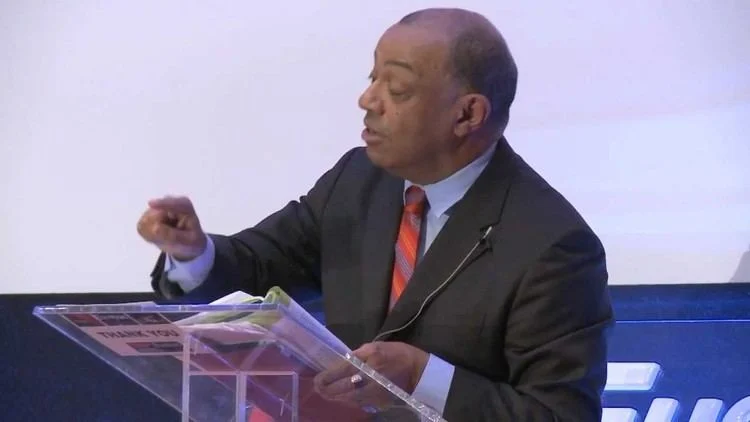
In 2000, his portfolio was expanded to include the role of the first Minister for Young People. His main focus was to advocate for the youth of Britain and ensure their voices were heard. He initiated the Youth, Citizenship and Social Change program, the UK's largest research project at the time, aimed at addressing social exclusion and promoting citizenship among young people.
Despite encouragement from his ministerial colleagues to run for Mayor of London, Boateng declined and instead endorsed Frank Dobson for the position. He made his decision known by criticising his former colleague Ken Livingstone. Additionally, Boateng played a key role in establishing the £450m Children's Fund, dedicated to combating child poverty in the UK.


Cabinet history
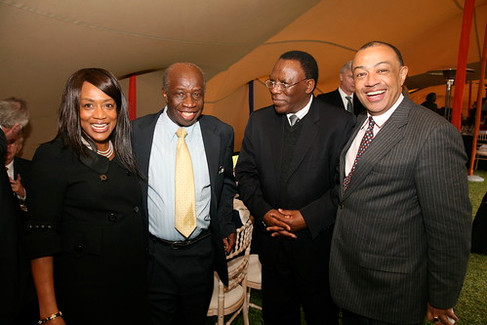
In 2001, he assumed the role of Financial Secretary to the Treasury, and later in May 2002, he was promoted to Chief Secretary to the Treasury, becoming the first black cabinet minister in Britain's history. Despite his historic achievement, he emphasised that his identity should not be solely defined by his race. His appointment was hailed by civil rights activists, who believed it would inspire young black individuals to engage in politics. To commemorate this milestone, Parliament commissioned a portrait of Boateng by Jonathan Yeo, which is now part of the 21st Century Parliamentarians collection.
In March 2005, Boateng announced his decision not to seek re-election as an MP in the upcoming May 2005 general election. The Constituency Labour Party then chose Dawn Butler as his replacement, and she successfully won the election in Brent South.


High Commissioner to South Africa
Boateng's dedication to the Africa Commission Report and his strong ties with African leaders led to Tony Blair appointing him as the High Commissioner to South Africa for a four-year term. This move was widely praised by Africans as a significant departure from Britain's colonial history and a testament to Blair's dedication to the continent.
During his time as High Commissioner, Boateng fostered a close relationship with South Africa's ANC government and played a role in mediating conflicts, such as the crisis in Zimbabwe. He also advocated for African interests on the global stage, participating in talks to promote trade negotiations that would benefit developing countries. Boateng's term ended in 2009, leaving behind a legacy of commitment to Africa's development and progress.


Appointment to the House of Lords
In the 2010 Dissolution Honours, Boateng was appointed as a member of the House of Lords on 28 May 2010. Lord Boateng of Akyem and Wembley was formally introduced on 1 July 2010, with the support of Lord Ouseley and Lord Janner. His inaugural address in the House of Lords emphasised the importance of addressing the needs of underprivileged children, regardless of whether they reside in rural or urban areas.


Church of England
The Archbishop of York has officially declared Lord Boateng as the new Chair of the Archbishops' Racial Justice Commission during the Church of England General Synod meeting on Friday, July 9, 2021.
Lord Boateng was chosen by the Archbishops of Canterbury and York to lead a team of independent advisers in examining the Church of England's policies, practices, and culture regarding racial justice. This three-year Commission will closely monitor and evaluate the Church's progress in addressing systemic racism.


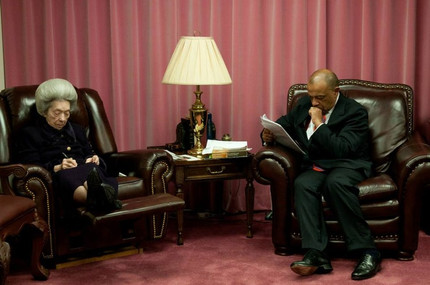
Over the course of three years, the Commission will provide biannual reports to the Archbishops, offering recommendations to support their commitment in identifying, addressing, and eradicating systemic racism within the Church. Lord Boateng's appointment signifies a significant step towards achieving racial justice within the Church of England.
Lord Boateng said: “Racism is a gaping wound in the body of Christ’s church. Our mandate as a Commission is not only to bind but to heal.
"This is a grave responsibility and one which can only be taken up and guided by prayer. I assume this new role with that in the forefront of my mind and ask for your prayers at this critical time in the history of the Church”.


Honours & Legacy
Boateng was recognized for his outstanding contributions to civil rights when he was awarded the Dr. Martin Luther King Jr. Award by the Southern Christian Leadership Conference in 1988.
In 2003, Boateng's achievements were further acknowledged when he was included in the list of "100 Great Black Britons", highlighting his significant impact on society.

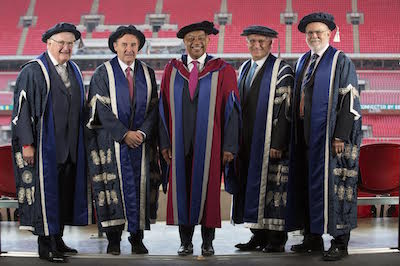

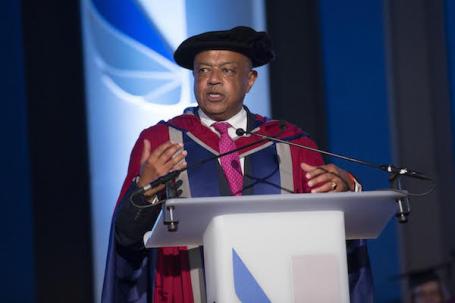
Paul Boateng's dedication and commitment to various causes were also recognised through the honorary Doctor of Law degrees he received from West London University in 2018, Lincoln University (Pennsylvania) in 2004, and the University of Bristol in 2007, showcasing his academic and intellectual prowess.
Boateng's exemplary service and leadership were further honoured when he was appointed Commander of the Royal Victorian Order (CVO) in the 2023 Birthday Honours for his exceptional work as a trustee of the Duke of Edinburgh's International Award, demonstrating his unwavering commitment to making a difference in the world.
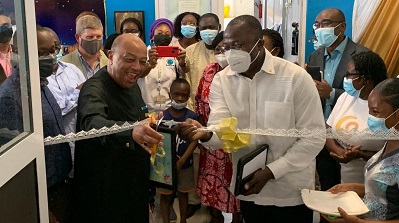
Through his remarkable talents and unwavering dedication, Paul has earned himself a distinguished reputation, evident through the numerous awards and honors he has received.
Paul Boateng's legacy extends beyond his accolades and titles, as he continues to make a positive impact on his communities, serving as a lay preacher for the Methodist church and embodying the values of compassion, dedication, and service. He is truly a national treasure whose influence and contributions will be remembered for generations to come.