June 22nd: Today’s Feature
- Jun 21, 2025
- 6 min read
June
Errol Ainsworth Glenstor Brown MBE
(born Lester Errol Brown; (12 November 1943 – 6 May 2015) was a British-Jamaican singer and songwriter, best known as the frontman of the soul and funk band Hot Chocolate.

Early Years
Errol Brown, the iconic singer of Hot Chocolate, rose to international fame despite facing the challenge of being abandoned by his father in Jamaica. Errol's education was made possible by the incredible sacrifice of his mother. She left her home in Jamaica and moved to Britain in 1953, determined to provide a better future for her son. Working as a shorthand typist, she saved enough money to purchase a house and enrol Errol in a private school in West Hampstead, London. This decision changed the trajectory of his life, allowing him to escape the limited opportunities that were available to him before. Surrounded by ambitious classmates who aspired to become doctors and lawyers, Errol's own dreams and ambitions were ignited, propelling him towards a successful career in music.
Unfortunately, Brown's mother passed away in 1963 at the young age of 36, before witnessing the immense success her son would achieve. However, her unwavering support and determination to ensure that Brown received a quality education and opportunities to excel had a profound impact on the singer's life. Her influence instilled in him a strong work ethic and drive to pursue his dreams.

Music & Hot Chocolate
Errol's big break in the music industry occurred in 1969 when he decided to record a rendition of John Lennon's iconic song "Give Peace a Chance" alongside the band originally known as "Hot Chocolate Band". Despite not being able to alter the lyrics without Lennon's explicit permission, Brown took the initiative to send a copy of the recording to his record label, Apple, and to his delight, the song was eventually released with Lennon's full approval.
The albums released by Hot Chocolate were expertly produced by Mickie Most and were recorded at the renowned Rak Records studio. A significant portion of the band's repertoire consisted of songs that were penned by Errol Brown himself, in collaboration with Hot Chocolate's talented bassist Tony Wilson (who later departed from the band in 1975). Some of their most notable hits include tracks like "Love Is Life", "You Could Have Been a Lady", "Brother Louie", "Emma", and the ever-popular "You Sexy Thing".


Hot Chocolate's success was undeniable, as evidenced by their impressive track record of securing at least one chart-topping hit on the UK singles chart every year from 1970 all the way through to 1984. The band's unique sound and memorable songs undoubtedly left an indelible mark on the music scene during that era, solidifying their status as one of the most beloved and successful bands of their time.
Fame
Despite his rise to stardom, Errol Brown remained grounded and prioritised his family above all else. In 1985, he made the decision to step away from show-business to spend more time with his loved ones. However, fate had other plans for him, as his hit song "You Sexy Thing" was featured in the 1997 film The Full Monty, giving him a second chance at success.
Given their reputation, it was no surprise that the creators of "The Full Monty," a movie about unemployed steel workers forming a male striptease group in Sheffield, approached Hot Chocolate to use their song "You Sexy Thing" as the film's theme song.


Brown credited his mother's values and the environment she created for him in London as the inspiration behind his music, which resonated deeply with audiences worldwide.
Errol's music was deeply influenced by the combination of his black and white cultural heritage. In an interview, he expressed that this fusion of cultures formed the foundation of his unique musical style. This blending of influences allowed him to create music that resonated with a diverse audience, transcending boundaries and connecting people from different backgrounds.
Errol's friends spoke highly of him, describing him as a charismatic performer and a true gentleman. His stage presence was captivating, drawing the audience in with his magnetic energy. Offstage, he carried himself with grace and kindness, earning the respect and admiration of those around him. His charming personality and genuine demeanour made him a beloved figure in the music industry.


Royal Circles
Errol was invited to perform at the wedding reception of Prince Charles and Princess Diana in 1981. He described the event as truly special, as it was the first time he had been on stage and witnessed a sea of glistening tiaras in the audience.
Reflecting on the memories of Prince Charles and Diana's wedding, Errol shared a vivid recollection of the soundcheck at The Palace. He recounted how the atmosphere was charged with excitement as Princess Diana was about to make her entrance. Errol described how some individuals were so overwhelmed by her presence that they hurriedly left the room, unable to handle the anticipation of her arrival. The whole experience struck him as surreal and unforgettable.


He went on to recall a personal interaction with Princess Diana during the event. He remembered her approaching him to express gratitude for his presence, noting her tall and elegant demeanour. Shortly after, Prince Charles entered the room and also extended his thanks to Errol. The encounter left a lasting impression on him, highlighting the grace and charm of the royal couple amidst the grandeur of the occasion.
The presence of royalty from around the world added to the grandeur of the occasion, making it a day he would never forget. This performance marked a significant milestone in his career, solidifying his status as a respected musician and allowing him to showcase his talent to a global audience.
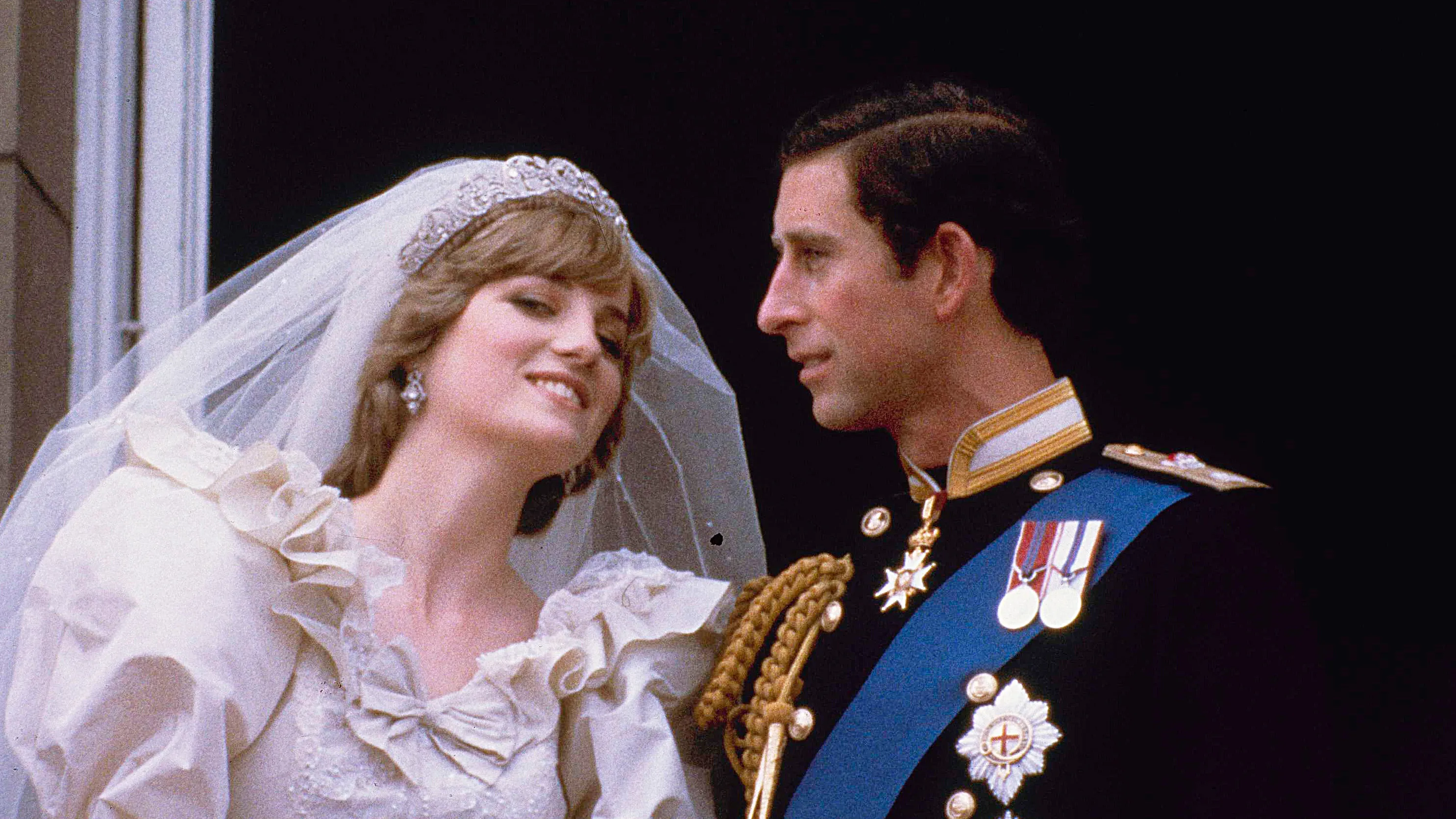


Despite the glitz and glamour of such high-profile events, Errol's life had its share of challenges and personal losses. He shared a poignant moment from his past when his mother passed away at a young age, leaving him to navigate life without her guidance. Errol's journey to success in the music industry, including his breakthrough with Hot Chocolate, was marked by personal struggles and sacrifices, such as his decision to prioritise family over fame at a critical juncture in his career.
Retirement
Although the band consistently released hit records from 1970 to 1984, Brown no longer found joy in the creative process. While he had always effortlessly composed successful songs, it eventually became too much of a burden to be away from his home and family for long spells of time, leading him to make the decision to retire.
He possessed a profound passion for music but held less interest in the business aspects of the industry.


After departing from the band, he purchased a mansion in Esher, Surrey and embraced a sedentary lifestyle. He openly declared his support for the Conservative Party and even performed a reggae rendition of Imagine at a party conference. In addition, he possessed a Porsche, a Rolls Royce, and a couple of racehorses.
One of his horses, Gainsay, participated in the Aintree Grand National in 1989 and 1990. Unfortunately, it stumbled during the first attempt and unseated its rider, Mark Pitman, on the second try.
In 2003, Brown was honoured with an MBE and recognised with an Ivor Novello award for his contributions to music. Despite his initial reluctance, his smooth and soulful voice had propelled him to become a much beloved pop-star.



Legacy & Honours
After concluding his 'final farewell tour' in 2009, Errol took to his website to express his gratitude towards his fans for their overwhelming love and support. He acknowledged the incredible atmosphere at the concerts, attributing it to the fans who showed up in large numbers. Errol emphasised the importance of bidding a proper goodbye instead of simply fading away, highlighting the impact of the fans' presence on his decision.
Beyond his illustrious career in show business, Errol Brown had a passion for golf, bridge, and even owned racehorses. His manager, Phil Dale, fondly remembered Errol as a 'wonderful gentleman' and expressed shock at his untimely passing due to liver cancer at the age of 71. Phil Dale further described Errol as a gentle man and an exceptional friend, whose absence would be deeply felt by all who had the privilege of knowing him.


Errol Brown's legacy extends far beyond his music, as evidenced by the recognition he received during his lifetime. In 2003, he was honoured with an MBE for his contributions to pop music, a testament to his impact on the industry. A year later, Errol was awarded the prestigious Ivor Novello award for his outstanding contribution to British music, solidifying his status as a legendary figure in the music world whose legacy will endure through his timeless music.