June 24th: Today's Feature
- Jun 23, 2025
- 7 min read
June
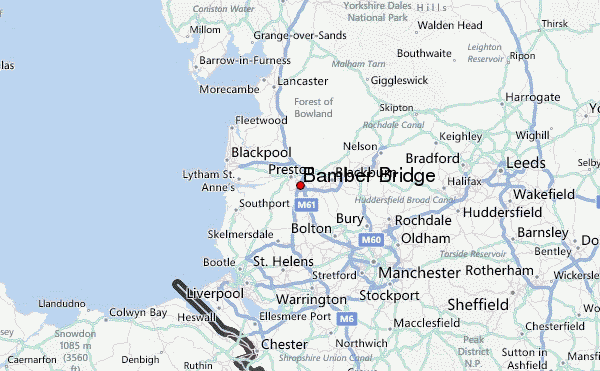
The Battle of Bamber Bridge refers to a violent incident that occurred during the Second World War in the village of Bamber Bridge, Lancashire, in Northern England. The tensions leading up to the battle were fuelled by the failed attempt of US commanders to segregate pubs in the village and were further exacerbated by the 1943 Detroit race riot. The conflict began when White American Military Police (MPs) tried to apprehend several African American soldiers from the racially segregated 1511th Quartermaster Truck Regiment for not wearing their uniforms at Ye Olde Hob Inn public house in Bamber Bridge.
The situation escalated when a white MP fatally shot Private William Crossland during a street confrontation. Subsequently, additional military police arrived at the scene armed with machine guns and grenades, while the black soldiers armed themselves with rifles from their base armoury to defend themselves. Throughout the night, both sides engaged in a firefight. Although a court martial found 32 African American soldiers guilty of mutiny and other related crimes, it was widely recognised that the incident was also a result of poor leadership and the racist attitudes of the MPs.


Background
During the Second World War, Bamber Bridge hosted American servicemen from the 1511th Quartermaster Truck regiment, part of the Eighth Air Force. Their base, Air Force Station 569 (nicknamed "Adam Hall"), was on Mounsey Road, part of which still exists now as home to 2376 (Bamber Bridge) Squadron of the Royal Air Force Air Cadets. The 1511th Quartermaster Truck was a logistics unit, and its duty was to deliver materiel to other Eighth Air Forces bases in Lancashire. The 234th US Military Police Company were also in the town, on its north side.
The US Armed Forces were still racially segregated, and the soldiers of 1511 Quartermaster Truck were almost entirely black, and all but one of the officers were white, as were the MPs. Military commanders tended to treat the service units as "dumping grounds" for less competent officers, and the leadership in the unit was poor.


Racial tensions were exacerbated by the race riots in Detroit earlier that week, which had led to 34 deaths, including 25 black casualties.
According to Anthony Burgess, the people of Bamber Bridge supported the black troops, and when US commanders demanded a colour bar in the town, all three pubs in the town reportedly posted "Black Troops Only" signs.
Outbreak of violence
On the evening of 24 June 1943, some soldiers from the 1511th Quartermaster Truck Regiment were drinking with the English townsfolk in Ye Olde Hob Inn. Details of how the incident developed differ between sources.
Two MPs, Corporal Roy A. Windsor and Private First Class Ralph F. Ridgeway, responded to a report of trouble at a local pub. The MPs had standing orders to arrest soldiers who were out of camp without a pass, were disorderly, or were not in proper uniform. On entering the pub, they encountered one soldier, Private Eugene Nunn who was dressed in a field jacket rather than the required class A uniform, and asked him to step outside. An argument ensued, with local people and British servicewomen of the Auxiliary Territorial Service siding with Nunn. One British soldier challenged the MPs by saying, "Why do you want to arrest them? They're not doing anything or bothering anybody.”


Staff Sergeant William Byrd, who was black, defused the situation but, as the MPs left, a beer was thrown at their jeep. After the MPs picked up two reinforcements, they spoke to Captain Julius F. Hirst and Lieutenant Gerald C. Windsor, who told the MPs to do their duty and to arrest the black soldiers. A group of MPs intercepted the soldiers on Station Road as they returned to their base at Mounsey Road. As a fight broke out, the MPs opened fire, and one bullet struck Private William Crossland of the 1511th in the back and killed him.
Some of the injured black soldiers returned to their base, but the killing caused panic as rumours began to spread that the MPs were out to shoot black soldiers. Although the colonel was absent, acting CO Major George C. Heris attempted to calm the situation. Lieutenant Edwin D. Jones, the unit's only black officer, managed to persuade the soldiers that Heris would be able to round up the MPs and see that justice was done.


However, at midnight, several jeeps full of MPs arrived at the camp, including one improvised armoured car armed with a large machine gun. That prompted black soldiers to arm themselves with weapons. Around two thirds of the rifles were taken, and a large group left the base in pursuit of the MPs. British police officers reported that the MPs set up a roadblock and ambushed the soldiers.
The black soldiers warned the townsfolk to stay inside when a firefight broke out between them and the MPs, which resulted in seven wounded. The fighting stopped around 04:00 the next morning with an officer, three black soldiers, and one MP having been shot and two other MPs beaten. Eventually, the soldiers returned to the base, and by the afternoon, all but four rifles had been recovered.
Arrests and courts-martial
By one later account, the violence left one man dead and seven people (five soldiers and two MPs) injured. Although a court martial convicted 32 black soldiers of mutiny and related crimes, poor leadership and racist attitudes among the MPs were blamed as the cause. None of the white MPs were charged, including the one who killed the black soldier, by shooting him in the back.


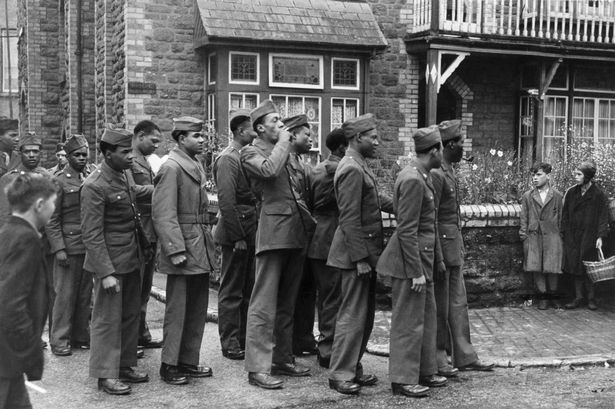
Two trials were conducted. In August, four of the black soldiers involved in the initial brawl were sentenced to hard labour, one to two and a half years and the others to three, and all to dishonourable discharges, with one of those convictions being overturned on review. The second trial involved 35 defendants. It concluded on 18 September with seven acquittals and 28 convictions. Sentences for those convicted ranged from three months to 15 years, with seven sentences of 12 years or more. Reviews resulted in the release of one man and reductions in all other sentences. Fifteen of the men returned to duty in June 1944 and six other sentences were further reduced. The defendant with the longest sentence returned to duty after serving 13 months.
General Ira C. Eaker, commander of the Eighth Air Force, placed most of the blame for the violence on the white officers and MPs because of their poor leadership and use of racial slurs. To prevent similar incidents happening again, he combined the trucking units into a single special command. The ranks of that command were purged of inexperienced or racist officers, and the MP patrols were racially integrated. Morale among black troops stationed in England improved, and the rates of courts-martial fell. Although there were several more racial incidents between black and white American troops in Britain during the war, none was on the scale of that of Bamber Bridge. Reports of the mutiny were considerably censored, with newspapers disclosing only that violence had occurred in a town somewhere in North West England.


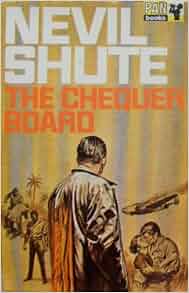
In 1945 Nevil Shute used the incident as material for his fictional account of wartime racism The Chequer Board, which was published in 1947. The author Anthony Burgess, who lived in the Bamber Bridge area after the war, wrote about the event briefly in The New York Times in 1973 and in his autobiography, Little Wilson and Big God.
Popular interest in the event increased in the late 1980s after a maintenance worker discovered bullet holes from the battle in the walls of a Bamber Bridge bank.
Aftermath
The Battle of Bamber Bridge was a unique occurrence during World War II, as it involved racial tensions and clashes between American soldiers in a small English town, rather than on a traditional battlefield. This distinction highlights the significance of the event in shedding light on the racial discrimination prevalent within the U.S. military at that time.


Not only did the incident in Bamber Bridge expose the racial segregation policies within the military, but it also brought to the forefront the underlying racial tensions that fuelled the clash between African American soldiers and white military police. This confrontation was a stark reminder of the racial inequalities that existed within the armed forces during that period.
The repercussions of the Battle of Bamber Bridge extended far beyond the immediate conflict, as it sparked important discussions and debates about racial integration and equality within the U.S. military. The event served as a catalyst for subsequent changes in policies and practices, paving the way for a more inclusive and equitable military environment. Additionally, it was seen as a precursor to the civil rights battles that would unfold in the United States in the years to come.


Commemoration
In June 2013, the University of Central Lancashire organised a symposium to honour and remember the 70th anniversary of the incident. This event aimed to bring together individuals from various backgrounds to reflect on the significance of the incident and its impact on history. As part of the symposium, attendees had the opportunity to watch the thought-provoking documentary Choc'late Soldiers from the USA, which was produced by the talented Gregory Cooke in 2009. This documentary shed light on the experiences of soldiers during the incident, providing a deeper understanding of the historical context.
Additionally, the symposium featured a captivating performance of the play Lie Back and Think of America, written by the talented Natalie Penn of Front Room. This play had previously received critical acclaim at the renowned Edinburgh Fringe Festival. Through powerful storytelling and compelling performances, Lie Back and Think of America transported the audience back in time, allowing them to empathise with the struggles and triumphs of those involved in the incident.


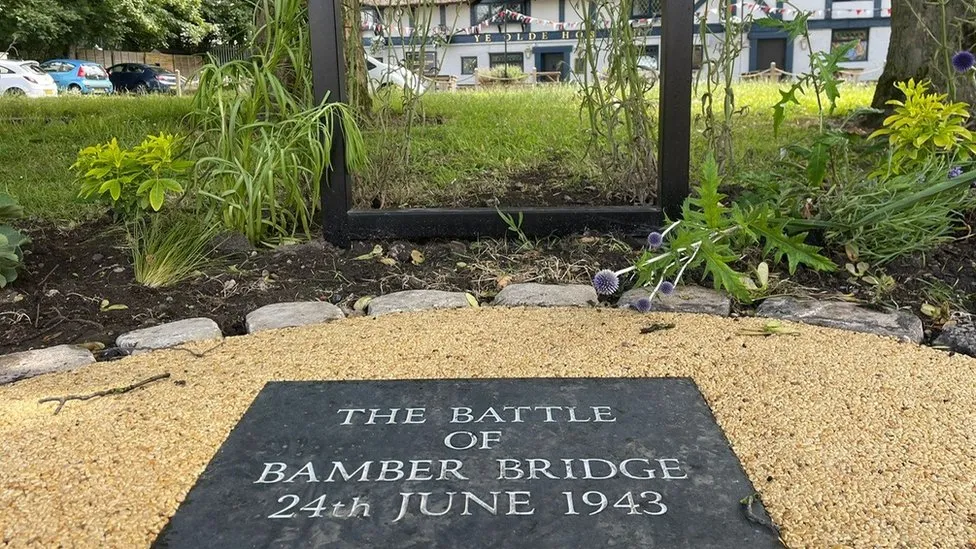
Moving forward to June 2022, a remarkable memorial garden was established opposite the pub where the Battle of Bamber Bridge initially unfolded. This serene and poignant garden served as a lasting tribute to the bravery and sacrifices made during the incident. It provided a tranquil space for reflection and remembrance, inviting visitors to pay their respects and honour the memory of those who were affected.
It is worth noting that the incident itself served as a source of inspiration for the creation of the film The Railway Children Return. This film, released in a later year, drew upon the historical events surrounding the incident to craft a compelling and emotionally charged narrative. By intertwining elements of history with a captivating storyline, The Railway Children Return not only entertained audiences but also raised awareness about the incident and its enduring impact.


Overall, through the symposium, documentary screening, play performance, memorial garden, and film adaptation, the incident was commemorated in various meaningful ways. These initiatives aimed to ensure that the memory of the incident would endure, fostering a deeper understanding and appreciation of its historical significance for generations to come.