June 27th: Today's Feature
- Jun 26, 2025
- 3 min read
June
Tommy Thomas Daniel Hicks Eytle
(16 July 1926 – 19 June 2007) was a Guyanese calypso musician and actor who rose to fame in the 1990s through his role as Jules Tavernier in the popular BBC soap, EastEnders. He was part of a group of gifted Guyanese artists, such as Norman Beaton and Carmen Munroe, who made significant contributions to British television and the arts scene.

Early Life
Hailing from British Guiana, Eytle was born into a family of seven, with his father being a respected gold and diamond miner. His upbringing, alongside his brothers, in a middle-class household laid the foundation for his successful career in the entertainment industry.
With a rich cultural background and a passion for his craft, Eytle's legacy lives on through his memorable performances and contributions to the arts. His work, alongside other talented Guyanese artists, has left a lasting impact on British television and the wider artistic community.
Tommy's musical journey began with the violin during his childhood, but he found his true calling as a professional singer and guitarist after relocating to London in 1951. While working as a surveyor and draughtsman, he started playing music alongside his brother Julian, who played the double bass. Together with American drummer Danny Wesley and pianist Iggy Quail, they entertained dancers with Latin American music at the lively Tabu nightclub in Soho. Tommy's passion for music led him to connect with Caribbean jazz musicians at the Sunset, where he had the opportunity to meet Jamaican saxophonist Bertie King. Their collaboration led to a tour of New Zealand in 1956 with King's "all-black" Sepia Aces.


From Musical Talent to TV & Acting
The rise of African and Caribbean independence movements captivated the attention of BBC producers, who sought to showcase "black-themed" dramas. This demand led to the involvement of black writers like Andrew Salkey, and Tommy himself contributed to the radio industry as both an actor and instrumentalist. His versatility allowed him to showcase his talent in various mediums, further establishing his presence in the music and entertainment scene.
While some members of the Windrush generation focused on progressive jazz, Caribbean entertainers were expected to perform rumbas and calypso. Eytle, known for his lively performances, entertained at university dances and became a popular figure. He led his own band or collaborated with other musicians, such as Trinidadian George Browne, and performed at various society venues, including Esmeralda's Barn.
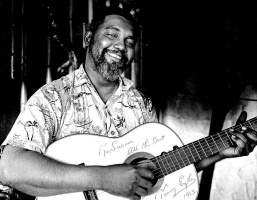


As calypso lost popularity in the 60s, Eytle adapted his act to modernise it. He played Afro-Cuban rhythms with drummer Danny Kamara at Piccadilly's Stork Club and partnered with Barbadian jazz trumpeter Dave Wilkins at a small drinking club in Swiss Cottage. Eytle also joined Ivan Chin's band for student dances and found success in the folk clubs and coffee bars of Earls Court.
His performances at the folk clubs and coffee bars were joyful occasions, with Eytle showcasing a diverse range of material from songs like "If I Were a Rich Man" to Bob Dylan's music. He often spent Sundays in the company of friends Beaton and Holder, and became a regular at Russ Henderson's afternoon sessions at the Coleherne in Old Brompton Road. Eytle's ability to adapt and his energetic stage presence made him a beloved entertainer in London's music scene.




Theatre
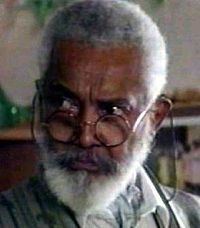
Eytle's career was marked by a transition towards acting, despite his continued involvement in music and cabaret. He started in the Negro Theatre Workshop and went on to perform in various roles on the London stage, including in productions like Measure for Measure and Ma Rainey's Black Bottom. His television work included appearances in popular shows like The Saint and EastEnders, where he portrayed a character involved in a notable storyline with Dot Cotton.
Despite facing illness that limited his appearances, Eytle never lost his passion for acting and continued to be a presence in the entertainment industry. His dedication to his craft was evident in his performances on stage and screen, where he brought characters to life with depth and authenticity. Eytle's versatility as an actor allowed him to take on a range of roles, showcasing his talent and leaving a lasting impact on audiences.


Legacy
Eytle's legacy as an actor is defined by his commitment to his art and his ability to captivate audiences with his performances. From his early days in the theatre to his later work on television, he left a mark on the industry that is still remembered today. Eytle's contributions to the world of entertainment continue to be celebrated, and his talent and passion for acting serve as an inspiration to aspiring performers everywhere.