July 9th: Today’s Feature
- webbworks333
- Jul 8, 2025
- 4 min read
July
Pauline Black
Belinda Magnus OBE, DL, (born 23 October 1953), better known as Pauline Black, is an English singer, actress and author. She has had an illustrious music career that has spanned over four decades. She first rose to prominence in the late 1970s as the lead singer of the 2 Tone ska revival band, The Selecter. During this time, the band released four singles that made their way into the Top 40 charts in the United Kingdom. These singles, including "On My Radio," "Three Minute Hero," "Missing Words," and "The Whisper," solidified Black's position as a talented and influential musician.

One of the most notable aspects of Pauline Black's musical talent is her incredible voice. Rolling Stone magazine even went as far as to say that she possessed the best voice to ever grace a 2-Tone release. Her voice is characterised by a bewitching soprano range and a dramatic panache that captivates listeners. When she sings, her voice reaches plateaus that elevate the entire musical experience, making every other detail sound like a backdrop specifically designed to set the stage for her entrance.
In addition to her successful music career, Pauline Black has also ventured into the world of acting. She has taken on roles in both films and television, showcasing her versatility as an artist. This further demonstrates her ability to captivate audiences and excel in various creative endeavours. With her talent and dedication, Pauline Black has undoubtedly left an indelible mark on the music industry and the world of entertainment as a whole.
Early Life
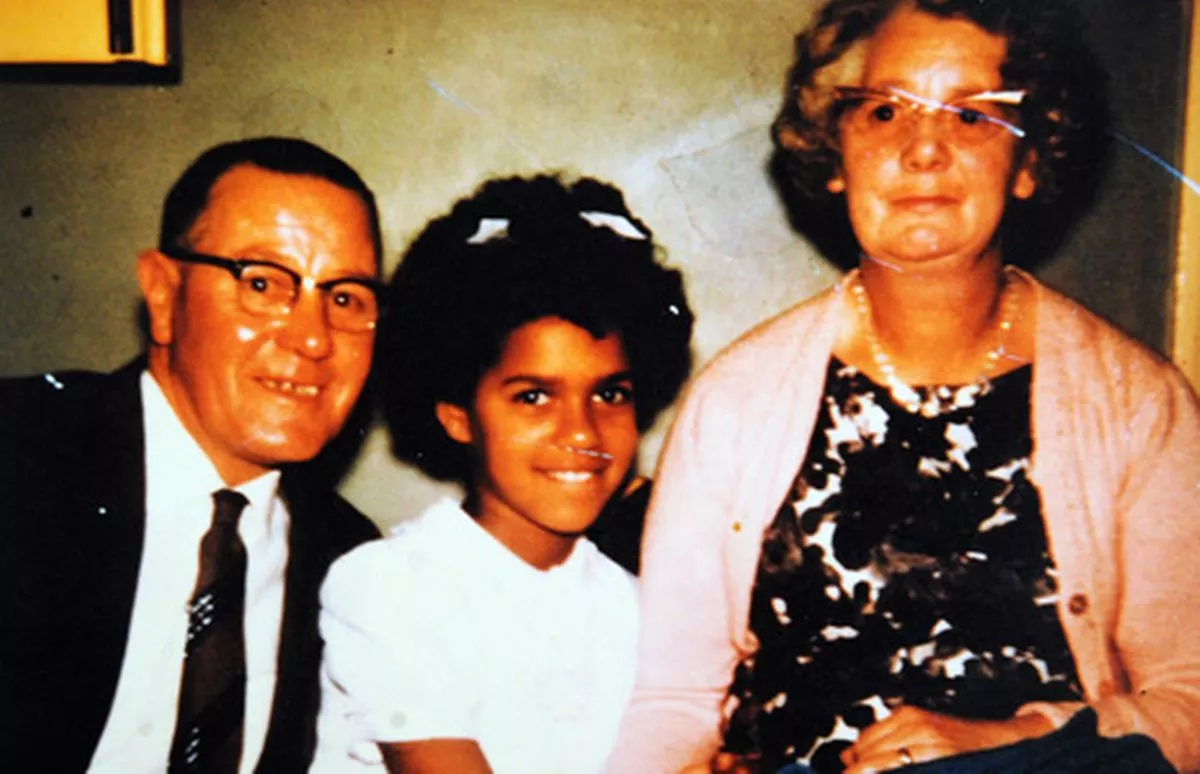
Belinda Magnus was born in Romford, Essex, England, to an Anglo-Jewish teenage mother and Nigerian father. She was adopted by a white middle-aged couple and given the name Pauline Vickers. Her biological father, Gordon Adenle, had come to London from Nigeria to study engineering and was a Yoruba omoba (or prince). Black was unaware of her Jewish heritage until the age of 42 when she traced her birth mother. Black studied science at Lanchester Polytechnic (now Coventry University) before training as a radiographer in Coventry. Upon completion of her studies she worked for the NHS for five years before she entered the music industry.




Rise to Fame
In the spring of 1979, Pauline Black ventured into a rehearsal space in Hillfields, not knowing what fate had in store for her. Little did she know that this would mark the beginning of an incredible journey. Surrounded by a group of talented musicians she had only just met, she emerged as the lead singer of the iconic 2-Tone band, The Selecter. It was a moment that would change her life forever.
As the months passed, The Selecter quickly rose to fame, capturing the hearts of music lovers across the UK. Their hit single "On My Radio" soared to the top six in the charts, solidifying their place in the music scene. Pauline, the only woman in the male-dominated 2-Tone movement, became known as the original Rude Girl, earning the title of 'the Queen of Ska'. Her powerful vocals and stage presence captivated audiences wherever they went.


Changing Name
The story of how Pauline Vickers became Pauline Black is truly fascinating. It all started when Paul Rambali, a renowned journalist from NME, expressed his desire to conduct an in-depth interview with the rising band, Selecter. However, this sudden attention brought about a wave of uncertainty for Pauline. She found herself contemplating what to do about her current job, as she was on the verge of being promoted to the esteemed position of senior radiographer. The weight of this decision was overwhelming.
In the midst of Pauline's dilemma, her dear friend Charley came to her rescue with a brilliant suggestion. Charley, who affectionately referred to her as "P," proposed a simple yet profound idea - why not change her name? As they lounged together, Charley playfully blew smoke rings while pondering the possibilities. And then, like a stroke of genius, he uttered the words that would forever alter Pauline's destiny: "Pauline; she's black... Pauline's black; black Pauline."



The moment those words escaped Charley's lips, Pauline's excitement was palpable. She knew instantly that she had found her new identity - Pauline Black. It was as if her rebirth was complete, and the persona she had carefully crafted as the Rude Girl had finally found its perfect name. Pauline Black became a symbol of strength, resilience, and empowerment. Her name was not just a mere label; it was a statement, a testament to her identity and the powerful message she aimed to convey through her music and art. With this new name, Pauline Black embraced her heritage and proudly showcased her blackness, becoming a beacon of inspiration for countless individuals around the world, even penning an autobiography titled: Black by design.


Legacy & Honours
Even after The Selecter disbanded in 1982, Pauline's passion for the arts never wavered. She delved into black theatre, showcasing her talent and versatility. From portraying jazz legend Billie Holiday to presenting groundbreaking TV programs, Pauline continued to make her mark on the world. Today, alongside her husband Terry, she still resides in Coventry, a testament to her genuine love for her middle England home which gifted her with an enduring legacy in the music industry and beyond. Pauline's story is one of resilience, creativity, and unwavering dedication to her craft.
Pauline Black, renowned singer and actress, was bestowed with an honorary degree from the prestigious University of Warwick in 2021. Having been a resident of Coventry for over five decades, she expressed her profound gratitude and stated that she felt "absolutely honoured" to receive such recognition. In addition to this remarkable achievement, Black has also been recognised for her significant contributions to culture by being awarded a doctorate of letters.


Widely acknowledged as a champion for racial equality, Pauline, notably, in the same year, was also honoured with an OBE from King Charles during a grand ceremony held at Windsor Castle, further highlighting her exceptional accomplishments and widespread acclaim.