July 21st: Today's Feature
- Jul 20, 2025
- 6 min read
July
Sade Adu, born Helen Folasade Adu, (January 16, 1959, Ibadan, Nigeria) is a renowned Nigerian-born British singer who has captivated audiences with her unique blend of soul, funk, jazz, and Afro-Cuban rhythms. With her sophisticated style and mesmerising voice, Sade has garnered widespread critical acclaim and enjoyed immense popularity throughout the 1980s and early '90s.
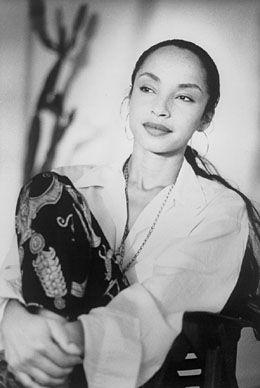
Sade was raised in a multicultural household. Her father, an economics professor from Nigeria, and her mother, an English nurse, instilled in her a deep appreciation for both her Nigerian roots and British heritage. Growing up, Sade was never addressed by her English first name, Helen, but rather by her Yoruba middle name, Folasade, which her parents affectionately shortened to Sade.
At the age of four, Sade's parents separated, and she relocated to Essex, England, with her mother and younger brother. It was during her formative years in England that Sade's passion for the arts began to blossom. At the age of 17, she embarked on a three-year program in fashion and design at Central St. Martin's College of Art and Design in London. This experience allowed her to explore her creativity and develop a keen eye for aesthetics.
Following her graduation, Sade ventured into the world of fashion, working as a model and menswear designer. However, her true calling awaited her in the realm of music. Sade's musical journey commenced when she agreed to temporarily fill in as the lead singer for Arriva, a funk band formed by her friends. This opportunity served as a stepping stone for her career, leading her to join another funk band called Pride. Eventually, Sade broke away from Pride and formed her own band, consisting of Stuart Matthewman, Andrew Hale, and Paul Spencer Denman, who would become integral members of the group that would bear her name.

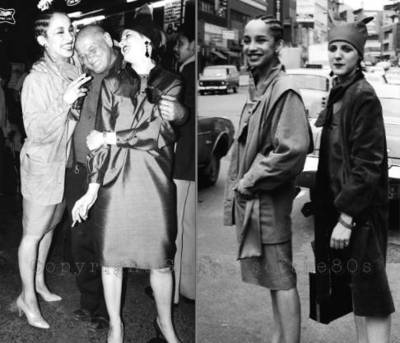

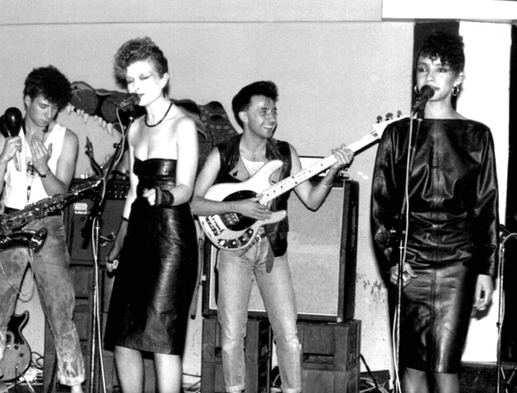
In summary, Sade Adu's remarkable talent and distinctive style have solidified her status as a musical icon. From her multicultural upbringing to her foray into fashion and eventual rise to prominence in the music industry, Sade's journey is a testament to her unwavering dedication and passion for her craft. Her soulful melodies and captivating performances continue to resonate with audiences worldwide, making her a true legend in the realm of music.
Sade Adu's illustrious career is a testament to her undeniable talent and unique musical style. With her band, Sade, she has achieved remarkable success, including winning four Grammys and receiving platinum certifications for all her albums. Not to mention, being honoured with the Order of The British Empire (OBE) for her contributions to music. Despite her international fame, Sade has managed to maintain a sense of mystery by living as a recluse for most of her career. This enigmatic quality only adds to her allure, allowing her to make a comeback after years in the shadows as if she had never left.


The music of Sade is a blend of R&B, Jazz, and Soul, characterised by jazz-filled textures, a prominent baseline, driving percussion, and haunting saxophone melodies. These elements serve as the perfect backdrop for Sade Adu's distinctive voice, which has been described as husky, restrained, and exuding sophistication by BBC Music. Her vocals convey a sense of wisdom and experience, adding depth and emotion to the band's sound. Sade's ability to captivate audiences with her music while maintaining a sense of mystery and elegance has solidified her status as one of the most successful British singers of all time.
Sade Adu's Musical Contributions
Originally starting out as a backing vocalist for the Latin Fusion band, Pride, Sade soon realised the potential of breaking away from the group to focus on creating their own unique sound. Despite the music industry being dominated by the likes of Prince, Madonna, and Michael Jackson during the early 1980s, Sade and her bandmates decided to take a risk and stay true to their vision rather than conforming to the popular trends of the time. This bold move set them apart from the crowd and allowed them to carve out their own niche in the industry.




Instead of succumbing to the pressure of working with top producers in the United States, Sade chose to remain in London and cultivate their own distinct style. By staying true to their roots and surrounding themselves with a supportive team, they were able to create music that resonated with audiences worldwide. The release of their debut LP, Diamond Life, in 1984 marked a significant milestone in their career, as it became the best-selling debut album by a British female singer, solidifying their status as a groundbreaking and influential musical act.
Promise, the second album by the group, continued to build on the success of their debut album, Diamond Life. Released just a year after their breakthrough, Promise reached new heights and left a lasting impact. In fact, it was so influential that it led some radio stations to revive a practice from the 1970s, where they played album tracks on the airwaves instead of just the popular singles. This demonstrated the album's exceptional quality and the enduring appeal of Sade's music.





Sade, enigmatic artist that she is, has managed to maintain a veil of privacy around her personal life, leaving fans, critics, and media outlets to speculate on fragments of information to create an image of her. Throughout her career, she took three hiatuses after releasing Love Deluxe in 1992, Lovers Rock in 2000, and Soldier of Love in 2010. These breaks allowed her to focus on her personal life, including getting married, becoming a mother, and exploring different parts of the world. By keeping her personal life private, Sade added an air of mystery to her persona, which unfortunately made her a media target for unfounded rumours about stage fright, addiction, and mental health issues during her quieter years.
An Absence from Collaborations
Sade's influence on the music industry cannot be understated. By seamlessly blending elements of Soul, Jazz, and R&B, she paved the way for the emergence of groundbreaking genres such as Neo-Soul, Trip-Hop, and Acid Jazz during the 1990s. Her unique sound and style resonated with audiences worldwide, leaving a lasting impact on the music landscape.


However, Sade's impact goes beyond her musical contributions. She has maintained a sense of privacy and authenticity throughout her career, refusing to compromise her artistic integrity for the sake of collaboration. This decision has allowed her to stay true to herself and create music that is a genuine reflection of her identity. By avoiding the pressures and expectations that come with collaboration, Sade has been able to fully embrace her individuality and deliver music that is truly authentic. Her refusal to conform to industry norms is a testament to her strength and unwavering commitment to her craft.
“I’ve never collaborated because I’ve always avoided working outside my safety zone — I can be exactly who I am and can fail or succeed within the moment. I feel safe working like I do. I wouldn’t want to work in a situation where I am expected to deliver, because I think I wouldn’t deliver.”
— Sade Adu


The realm of collaboration is not without its psychological complexities, and these intricacies can have both positive and negative consequences. While the collaborative process can be enriching and fruitful, it can also pose challenges that may impact our emotional well-being. Nevertheless, Sade has consistently demonstrated her astuteness in protecting her personal identity and ensuring that she remains true to herself. She recognises the significance of safeguarding her individuality and has honed her ability to navigate the collaborative landscape without compromising her core values and beliefs.
Sade's Lasting Legacy
Sade's unique approach to fame sets her apart from her contemporaries in the music industry. Her ability to maintain a sense of security in her absence has allowed her to shape her band's music in a distinctive way over the years. The minimalist and raw sound that characterises her music serves as a perfect backdrop for the stories she tells, showcasing her talent for making a big impact with subtle nuances. Sade's deliberate choice to navigate her career on her own terms has solidified her reputation as an artist who values authenticity and intentionality above all else.

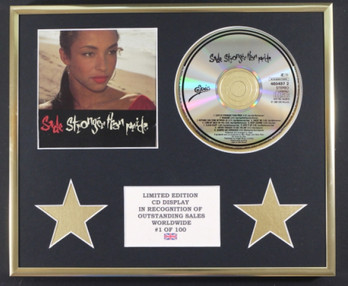


Recognised for her significant contributions to music, Sade was honoured with the title of Officer of the Order of the British Empire (OBE) in 2002. She viewed this recognition not only as a personal achievement but also as a symbol of empowerment for black women in England. In 2017, she was further elevated to the rank of Commander of the same Order (CBE) for her continued dedication to the music industry. Sade's groundbreaking win as the first Nigerian (African) to receive a Grammy Award in 1986, in the category of Best New Artist, solidified her status as a trailblazer in the music world.
Sade's legacy extends beyond her musical achievements, as she has become a symbol of empowerment and representation for black women in the industry. Her ability to stay true to herself and her artistry, while also breaking barriers and achieving significant milestones, serves as an inspiration to aspiring artists everywhere. By carving her own path and remaining authentic in her craft, Sade has left an indelible mark on the music world that will continue to resonate for generations to come.