July 27th: Today's Feature
- webbworks333
- Jul 26, 2025
- 3 min read
July
Osibisa, a band with roots in Britain, Ghana, and the Caribbean, was formed in London during the late 1960s. The group was a unique blend of four West African expatriates and three Caribbean musicians based in London. This diverse mix of cultural influences contributed to the band's distinctive sound and style, setting them apart from their contemporaries in the music scene at the time.
As one of the most successful African-heritage bands in London, Osibisa played a pivotal role in shaping the music landscape of the era. Alongside other notable bands like Assagai, Demon Fuzz, and Black Velvet, Osibisa helped to popularise world music and Afro-Rock as a commercially viable genre. Their innovative approach to blending traditional African rhythms with rock and Caribbean influences garnered them a dedicated following and critical acclaim.


The original lineup of Osibisa, known as the Beautiful Seven, was a powerhouse of talent that left a lasting impact on the music industry. Their first three studio albums showcased the band's musical prowess and creativity, solidifying their reputation as trailblazers in the Afro-Rock genre. Osibisa's legacy continues to inspire musicians and fans around the world, cementing their status as pioneers of a truly unique and influential musical movement.
Musicians - original band
Teddy Osei (born 1937) – lead vocals, saxophone, flutes, percussion
Mac Tontoh (born Kweku Adabanka Tonto, 1940–2010) – trumpet, horns, percussion
Sol Amarfio (died 2022) – drums, percussion
Robert Bailey - keyboards, percussion
Wendell (Dell) Richardson – guitars, lead vocals, percussion
Abdul Loughty Lasisi Amao (died 1988) – flute, vocals, percussion
Spartacus R. (died 2010) - bass, percussion, vocals

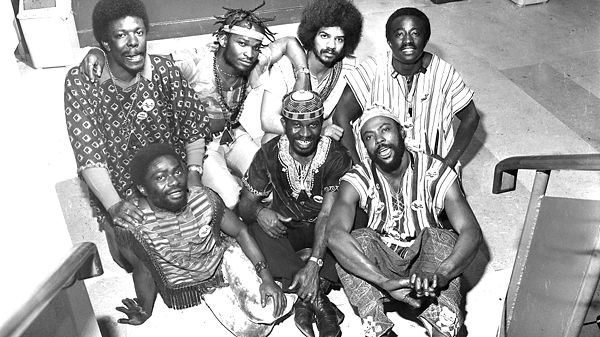


Osibisa burst onto the music scene in 1971, bringing with them a dynamic and lively sound that captivated audiences worldwide. The name Osibisa, derived from Ghanaian roots, translates to "criss-cross rhythms that explode with happiness", perfectly encapsulating the band's vibrant and innovative music style. Their arrival coincided with the exciting progressive rock movement of the time, and Osibisa's albums featured stunning fantasy artwork by Roger Dean, adding to their allure and mystique.
The impact of Osibisa's percussive rhythms and unique musical blend extended far beyond their own discography. Their influence could be felt in the music of their contemporaries, shaping the sound of the disco era that followed in the late 1970s. Their fusion of African, Caribbean, rock, jazz, Latin, and R&B elements paved the way for a new wave of musical expression, influencing artists like Bob Marley and contributing to the rise of African music in the 1980s. Osibisa's legacy as pioneers of World Music is widely recognised and celebrated.
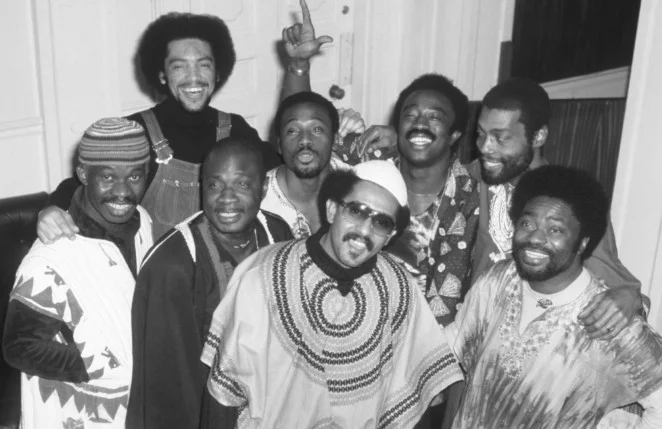


Success
Beyond their musical contributions, Osibisa's enduring success can also be attributed to their electrifying stage presence and high-energy performances. Their music continues to resonate with audiences today, with numerous covers of their hit song "Sunshine Day" and its use in the Euro 2000 football tournament. Osibisa's impact on dance music remains undeniable, solidifying their status as trailblazers in the global music landscape.
Osibisa, has been captivating audiences worldwide for many years with their tireless touring and electrifying performances. They have graced the stages of numerous festivals and have left no corner of the globe untouched by their music. Their dedication and commitment to their craft have earned them a well-deserved reputation as one of the most hardworking bands in the industry.


Legacy
One of the major milestones in Osibisa's career was their unforgettable tour of India, which catapulted them to new heights of success. Their exceptional talent and unique blend of Western and African music resonated deeply with the Indian audience, resulting in a remarkable achievement - a No 1 Gold Album. This unprecedented feat for a Western band not only solidified their place in music history but also showcased their ability to transcend cultural boundaries and connect with people from all walks of life.





In the mid-90s, Osibisa experienced a resurgence in North America, where African and Reggae music were gaining immense popularity. Their infectious rhythms and soul-stirring melodies captivated the hearts of music enthusiasts across the continent. During this time, they even made a memorable appearance in a Ken Russell TV film that documented the Cropready Festival in Oxford, further cementing their status as musical icons. Moreover, their homecoming to Ghana was a momentous occasion, as they were honoured by former President Jerry J Rawlings. The overwhelming enthusiasm displayed by the Ghanaian people, particularly the youth, was a testament to the profound impact Osibisa had on their lives.