September 27th: Today's Feature - Pearl Priscilla Prescod
- webbworks333
- Sep 26, 2025
- 5 min read
September
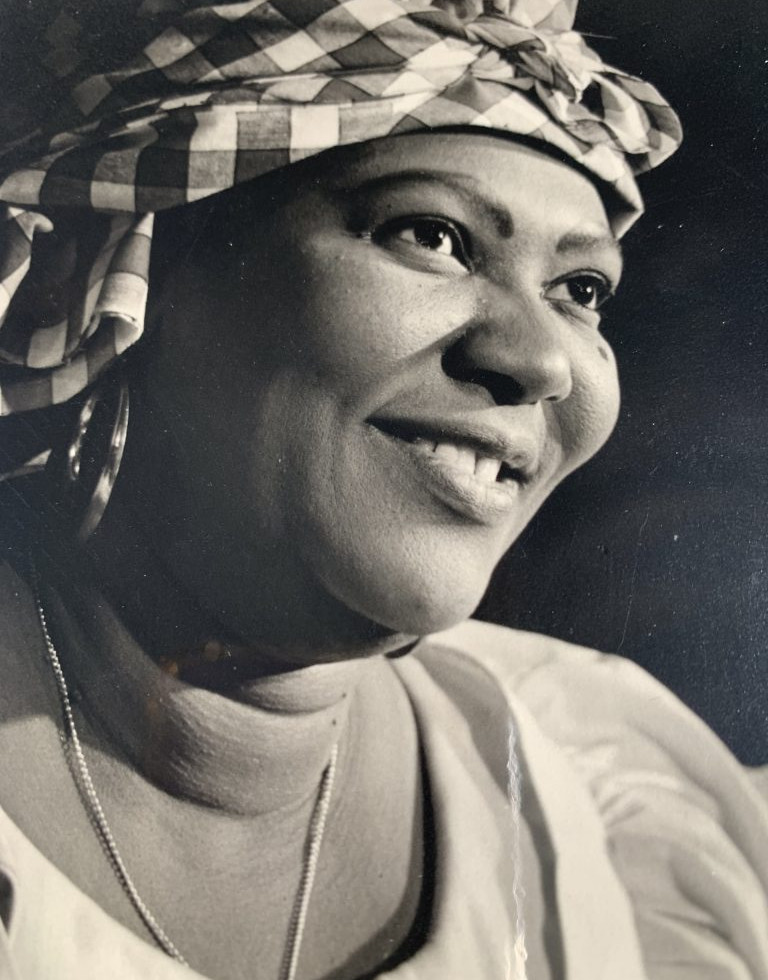
Pearl Priscilla Prescod (28 May 1920 – 25 June 1966) was a Tobagonian actress and singer. She was one of the earliest Caribbean entertainers to appear on British television and was the first Black woman to appear with London's National Theatre Company.
Prescod arrived in Britain in the early 1950s and resided in Notting Hill, London. During her time in Britain, she was cast in numerous television roles and theatre productions, and was active in the anti-racism struggle in London in the late 1950s and early ‘60s. With her close friend, journalist and activist Claudia Jones, Prescod helped co-ordinate London's first "Caribbean Carnival" event, which took place in St Pancras Town Hall in January 1959, and is considered a precursor of the Notting Hill Carnival.



Career
Pearl Prescod was a trained classical singer[10] and had aspirations to pursue a classical music education in England. She arrived in Britain in the early 1950s after winning a musical scholarship to Guildhall School of Music.
In 1954, Prescod was cast in Barry Reckord's first play Flesh to a Tiger (previously called Della). The play also starred Cleo Laine, Nadia Cattouse and Lloyd Reckord.
In 1955, the secretary of the West India Committee in London helped Prescod secure a job as a switchboard operator in his office and an audition at the BBC. She successfully procured a number of BBC contracts and landed many television roles and plays over the years.
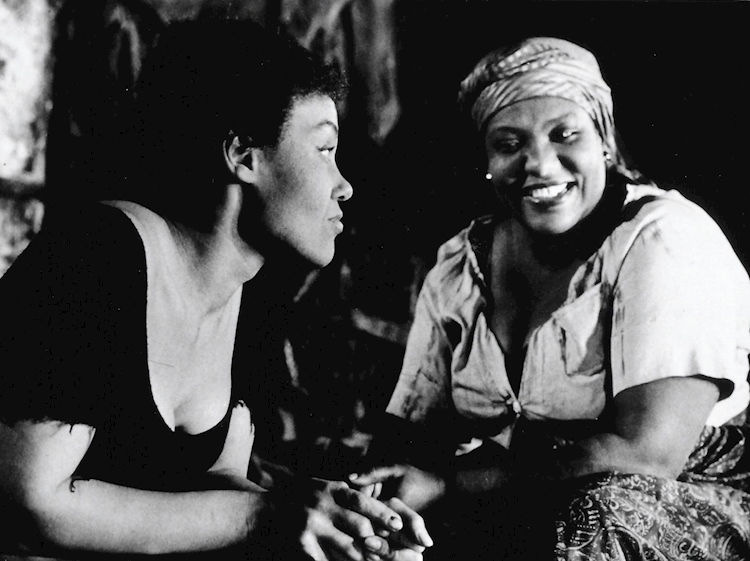
Prescod was part of a West Indian singing group called The New World Singers and was the leader of the sopranos in the choir. The others were Patricia Williams (St Vincent), Bonica Fletcher (Jamaica) and Joyce Jacobs (British Guiana). Impressed with hearing a group of West Indian singers, conductor and composer Avril Coleridge-Taylor formed the choir.
In 1959, Sylvia Wynter's play Under The Sun was re-broadcast by the BBC. Prescod had a part in the play, along with Nadia Cattouse, Andrew Salkey, Sheila Clarke, Gordon Woolford and Sylvia Wynter.
During her stage career, Prescod was a member of London's National Theatre Company, then based at the Old Vic, and was cast as Tituba in the 1965 production of The Crucible. She received wide praise for her performance.
Activism
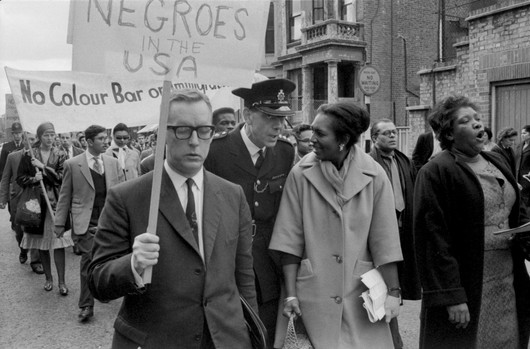
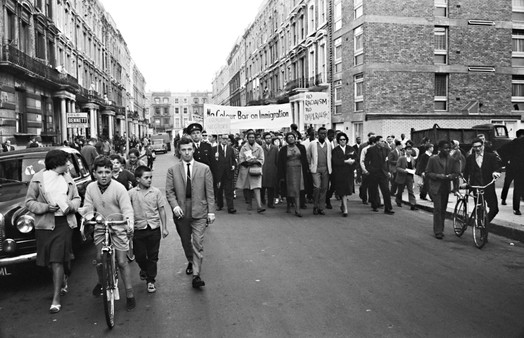
Prescod's contributions to the struggle for racial equality in Britain was recognised. She played an active role alongside Claudia Jones, and was involved in organising the March on Washington solidarity demonstration in London on 31 August 1963. Prescod was among the Black artistes in England who supported Claudia Jones's appeals for funds for the West Indian Gazette by organising and performing at fundraising concerts. When Jones died in 1964, Prescod sung "Lift Up Your Voice and Sing" at the funeral.

Death
Prescod died on 25 June 1966 from a brain hemorrhage in Kensington, London, and was survived by her son Colin Prescod, a sociologist and trustee of the Friends of the Huntley Archives at LMA.
Legacy
Prescod is the subject of a chapter written by Obi B. Egbuna, the Nigerian-born novelist, playwright and political activist, in his non-fiction work titled Black Candle at Christmas.
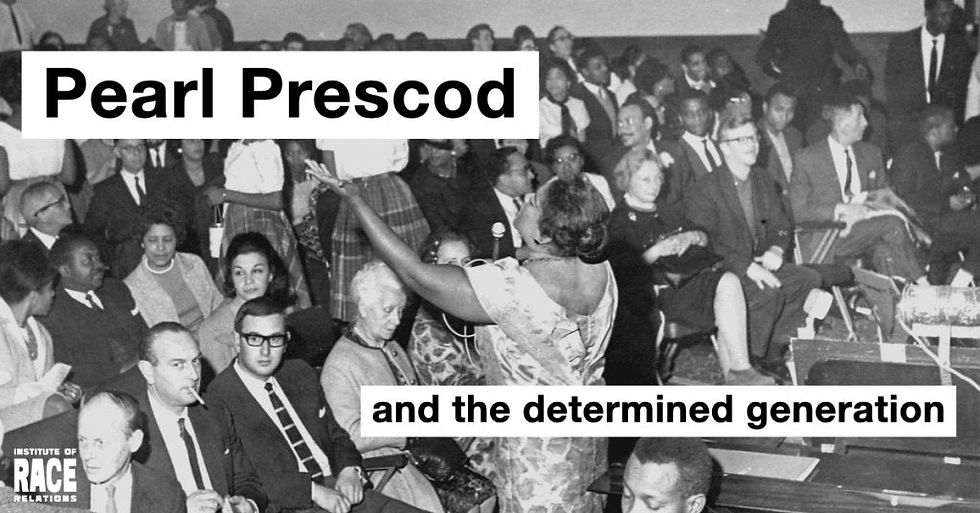
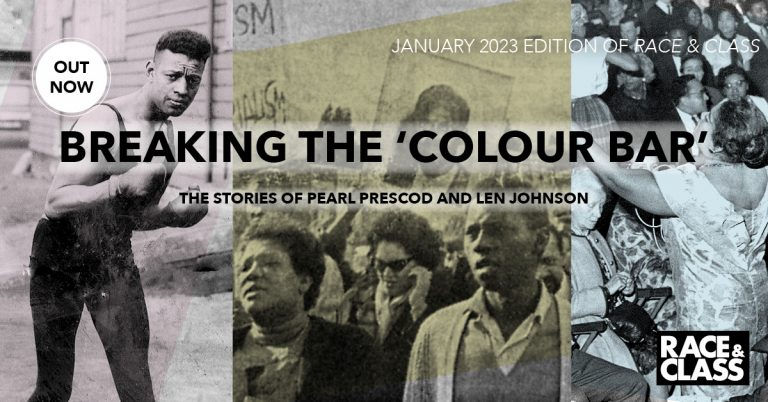
*In 2022, the Institute of Race Relations' Black History Collection produced a biographical text dedicated to charting Prescod's life. A review of Pearl Prescod: A Black Life Lived Large in The Guardian described the educational pamphlet as "part of an endeavour to shine a light on the overlooked stories of this generation of Caribbean artists and intellectuals", adding: "There is so much to unearth in the case of Prescod's short but glittering life and work."
The IRR project co-ordinator Anya Edmond-Pettitt notes that Prescod's story may have been hitherto forgotten because it differs from the prevailing narrative about the "Windrush generation”.
Son: Colin Prescod


Colin Prescod situates his mother's legacy within that of the wider community of performing artists and intellectuals who came from the West Indies/Caribbean to Britain, describing the biographical pamphlet as an "archival teaser" since there are many such life stories yet to be formally archived (including, as he observes, those of Nadia Cattouse, Earl Cameron and Errol John): "This little piece of history ... is part and parcel of the stir caused by 'the West Indian generation' as the late George Lamming called them – the generation who came out of militant anti-colonial political cultures to see off Empire and questioned the racist-Imperialism at the core of Great Britain’s colonial success story.”
A new Black history project on the life of the Caribbean-British actor, singer and civil rights campaigner Pearl Prescod tells the largely overlooked story of a generation of anti-colonial artists and activists who questioned Britain’s role in the decades following World War Two.
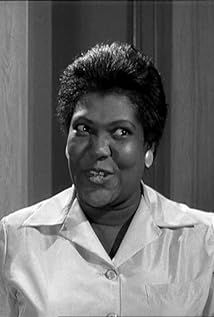
This biographical pamphlet produced by the Institute of Race Relation’s Black History Collection, charts Prescod’s life from her beginnings in Tobago to her arrival in London on a Guildhall music scholarship before embarking on a successful acting career. A single mother to her son Colin, Prescod initially supplemented her fledgling performing career by working as a switchboard operator.
The first Black female player to join the prestigious National Theatre company, Prescod’s big break came in 1965 when she appeared at the Old Vic as Tituba in Laurence Olivier’s production of Arthur Miller’s ‘The Crucible’. Prescod was amongst a cast of actors who went on to illustrious careers, including Sir Michael Gambon and Sir Anthony Hopkins.
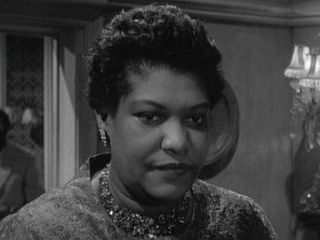
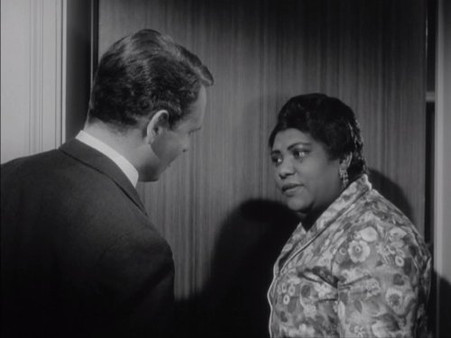
As well as appearing on stage and screen, including popular TV series such as Danger Man and The Saint, Prescod belonged to a community of intellectuals and performance activists that included the Trinidadian journalist and founder of Notting Hill Carnival, Claudia Jones, fellow actress Nadia Cattouse and the novelist and playwright Jan Carew.
A talented cabaret singer, in 1963, Prescod marched alongside Claudia Jones to the US embassy to coincide with the historic Martin Luther King march on Washington, leading the singing of the civil rights anthem ‘We Shall Overcome’. She would later feature in an award-winning civil rights stage show for television, Freedom Road: Songs of Negro Protest.
Just a year after her appearance in the National Theatre company, Prescod’s blossoming career was tragically cut short when she passed away after suffering a brain haemorrhage, aged just 46.
Chair of the Institute of Race Relations and Pearl’s son, Colin Prescod said:
This little piece of history is a life story that is part and parcel of the stir caused by ‘the West Indian generation’ as the late George Lamming called them – the generation who came out of militant anti-colonial political cultures to see off Empire and questioned the racist-Imperialism at the core of Great Britain’s colonial success story.


Anya Edmond-Pettitt, from the IRR’s Black History Collection said:
At a time where discussions around diversity, representation and colour-blind casting dominate the cultural industries, Pearl’s story of struggle serves as an inspiration for today’s generation and reminds us that the 1950s and 1960s saw a clutch of Black female artists, writers and actors who successfully merged the personal, political and professional. If she were alive today, Pearl’s monumental achievements would be rightly celebrated – this educational project aims to ensure she and others like her are not forgotten and written out of history.
Clint Dyer, Deputy Artistic Director at the National Theatre said:
The likes of Pearl Prescod’s input into the fabric of what we call ‘Black Theatre’ is irremovable but like so many somehow nearly forgotten. To know she broke through at a time of such conscious and unconscious bias, is both depressing and yet deeply heartening. I feel it is incumbent on us all to celebrate her, not only for us to understand the context by which we produce work today, but to hold her up as a shining example of what can be achieved, when you have the desire, talent and the tenacity to fight for your stories to be told.