August 18th: Today's Feature-Bristol’s Windrush Generation
- Aug 17, 2025
- 4 min read
August
Michael Jenkins
Bristol-based filmmaker and producer
‘Windrush’ is a term used to describe the mass migration of people invited from the Caribbean colonies into Great Britain, just after the Second World War.
An ex-Nazi troopship renamed the Empire Windrush brought this first wave of Caribbeans in June 1948. The term ‘Windrush generation’ is usually applied to the many African Caribbeans who came to the UK after the Second World War and up to the 1970s.
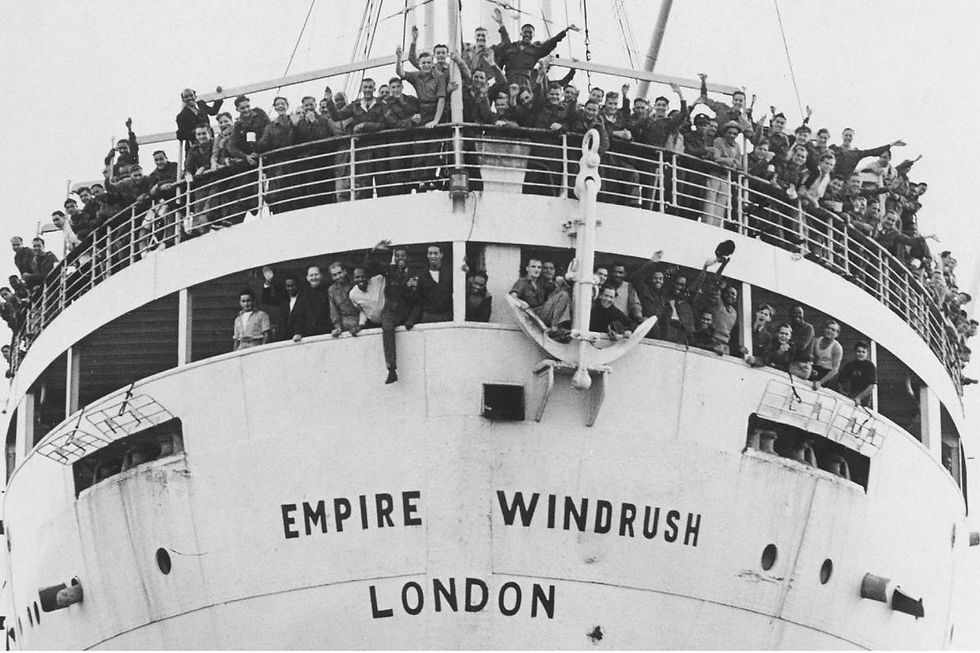
They were called upon as a response to labour shortages in post war Britain and to help rebuild the nation devastated by the Blitz. The NHS was formed two weeks after this first arrival. This was the first major wave of post-war immigration. Many of the passengers’ tickets were paid for by the British government.
The people of the Windrush generation were not faced with the warm welcome that they had expected. It was a big culture shock for the newcomers, with many shocked by the cold weather and at their first site of chimneys.
These new arrivals were subjugated to colour bars, housing discrimination and outright hostility from the likes of Teddy boys. Many from that generation talk about the infamous signs on rented accommodation and pubs: ‘no blacks, no dogs, no Irish’. The majority of the newly arrived people from the Caribbean found poor housing in the city centre, predominantly St Pauls and Easton. These places, bombed and damaged in the war, resembled something like a slum. They were the few areas where landlords would rent to African Caribbean people, or where they could afford to buy a house themselves.

The West Indian Parents and Friends Association (WIPAF) – with members such as Owen Henry, Roy Hackett and Barbra Dettering – was formed in the 1960s to take on these battles. They fought against housing discrimination and racial segregation from Bristol City Council and private organisations. They initiated the Bristol Bus Boycott in 1963 which drew international attention and influenced the passing of the Race Relations Act of 1965. The Windrush generation shaped government policy and laid the foundations for making people and authorities accountable when it came to discrimination and prejudice.
The WIPAF were not the only pioneering heroes gifted to Bristol by the Windrush generation. Princess Campbell came to Bristol in 1962 after hearing a plea on the radio in Jamaica saying “The Mother Country needs you”. She was the first black employee at the famous Wills Factory in Bedminster, before training as a nurse. Despite facing constant racism and being regularly passed over for promotion, she went on to become the city’s first black ward sister. She was appointed MBE in 2011 for her services to the community.
Alfred Fagon was a Jamaican-born poet and playwright and lived in Bristol in the 1960s and 70s. He’s remembered as a larger than life character within the community and influenced people who were involved in Race and politics at the time. In 1986 he starred in Fighting Back for the BBC, which was filmed in St Pauls.
Alfred Fagon


The St Pauls Festival, now known as St Pauls Carnival, was also a product of the Windrush generation and now attracts hundreds of thousands of visitors every year. The influence this generation’s music had on people like the Wild Bunch and Massive Attack still echoes today.
All of this this barely scratches the surface of the legacy of the Windrush generation here in Bristol. Despite their enormous impact on society, a scandal in 2018 has seen some Windrush arrivals deported. Though they have lived here since childhood and worked and paid taxes for decades, they apparently lacked the right paperwork to be considered British citizens. This begs the question whether the Windrush generation are truly made to feel welcome after all these years, or are still seen as outsiders?




Bristol’s Black History
When did Bristol’s Black history first begin? We may never know, but the earliest records show a ‘blacke moore’ gardener (or maybe watchman or security guard) living and working in the city in the 1560s. Bristol later wrote itself indelibly into African history by becoming one of the major players in the Transatlantic Slave Trade.
19 Black Bristol Women Who’ve Made a Difference
Pioneering, passionate and powerful, these women have helped change our city for the better. From artists to activists, from councillors to carnivalistas, these are names you need to know.
Compiled by the Bristol Museums Black History Steering Group. With thanks to volunteers Imogen Clarke and Harvey Folkes.


Our list starts after the 1950s. We know there were women of colour living and working in Bristol before then, but most were excluded from the public arena. Though these women were crucial to their communities, history books have not acknowledged their contributions. “It was the guiding principle behind my deciding to live and work […]"



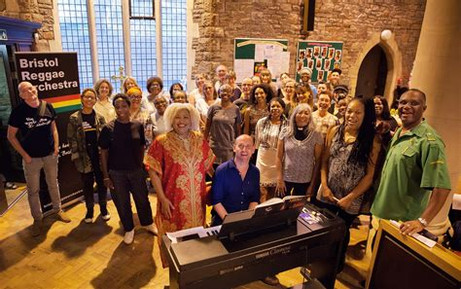
From ancient Roman settlements to today’s Syrian resettlements, people have been making new homes beside the Avon for thousands of years. Many have also left Bristol, crossing vast oceans to seek fortune and freedom in faraway lands.
© 2023 Bristol City Council. All rights reserved.